Get In Touch
10/A, Indira Gandhi Street,
Sengeniammal Nagar, Orlean Pet,
Pondicherry – 605005. (INDIA)
Work Inquiries
info@venkidesigns.com

Strategy | UI/UX | IoT

Predictive Maintenance Web Application

Sipro is a comprehensive Industrial Internet of Things (IIoT) solution designed to modernize equipment management and maintenance. By seamlessly integrating advanced physical sensors with intelligent software, Sipro provides continuous, real-time visibility into machine health and operational efficiency.

The primary goal of the Sipro system is to transition industrial operations from reactive troubleshooting to proactive, data-driven maintenance—ultimately reducing downtime, optimizing performance, and extending the lifespan of critical assets.

fbp-04

Core Monitoring Capabilities

  • Sipro utilizes a network of high-fidelity sensors to capture critical performance metrics across four primary vectors:

    • Temperature Tracking: Continuously monitors thermal output to detect overheating, friction issues, or cooling system failures before they cause irreversible damage to machine components.

    • Pressure Monitoring: Ensures hydraulic and pneumatic systems are operating within safe and optimal thresholds, immediately flagging pressure drops or dangerous spikes that could indicate leaks or blockages.

    • Vibration Analysis: Measures mechanical oscillations to identify early signs of wear and tear, misalignment, or imbalance in rotating machinery (like motors, pumps, and fans), enabling highly accurate predictive maintenance.

    • Gas Flow Analytics: Tracks the volume and velocity of industrial gases in real-time. This ensures optimal resource utilization, maintains process efficiency, and rapidly detects hazardous or wasteful leaks.

Design

UI/UX Design, Art Direction

Strategy

Brand Strategy, UX Strategy

Client

Sipro

fbp-01

Problem Statement

While Fairfield Book Publishers (FBP) possesses a rich, 35-year legacy of high-quality educational materials and a strong market presence in Singapore, its current digital sales strategy relies heavily on standard web e-commerce and third-party marketplaces (such as Shopee and Lazada). As mobile commerce becomes the primary purchasing channel for busy parents and students, the absence of a dedicated, optimized mobile application creates friction in the customer journey and limits FBP’s direct engagement with its core audience.

User Pain Points (The Experience Gap)

  • High Cognitive Load in Catalog Navigation: FBP offers a massive inventory categorized by grade (Preschool to A-Levels), subject, and examination type. Browsing this complex architecture on a responsive mobile website or a cluttered third-party marketplace is cumbersome, making it difficult for parents to quickly locate syllabus-specific materials.

  • Lack of Personalized Progression: The current digital experience is transactional rather than relational. When a parent buys Primary 3 assessment books, the system does not dynamically adapt to recommend Primary 4 materials the following academic year, missing a critical opportunity to support the student’s ongoing educational journey.

  • Friction in Assessment & Preview: Purchasing educational materials requires confidence. Users currently struggle to easily preview sample pages, tables of contents, or difficulty levels on mobile screens, leading to hesitation and cart abandonment.

fbp-05
The Solution

A User-Centric Educational Commerce Hub

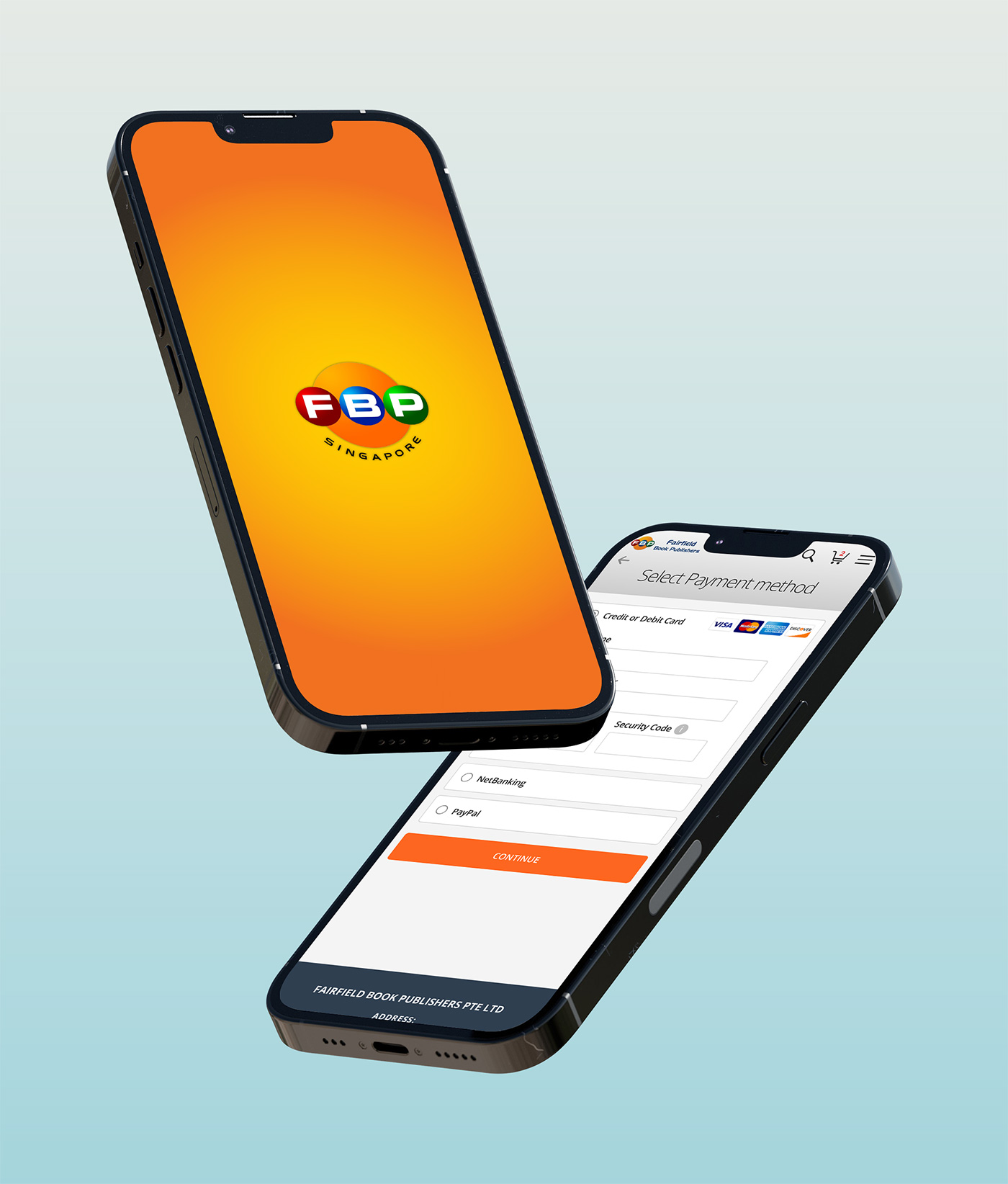
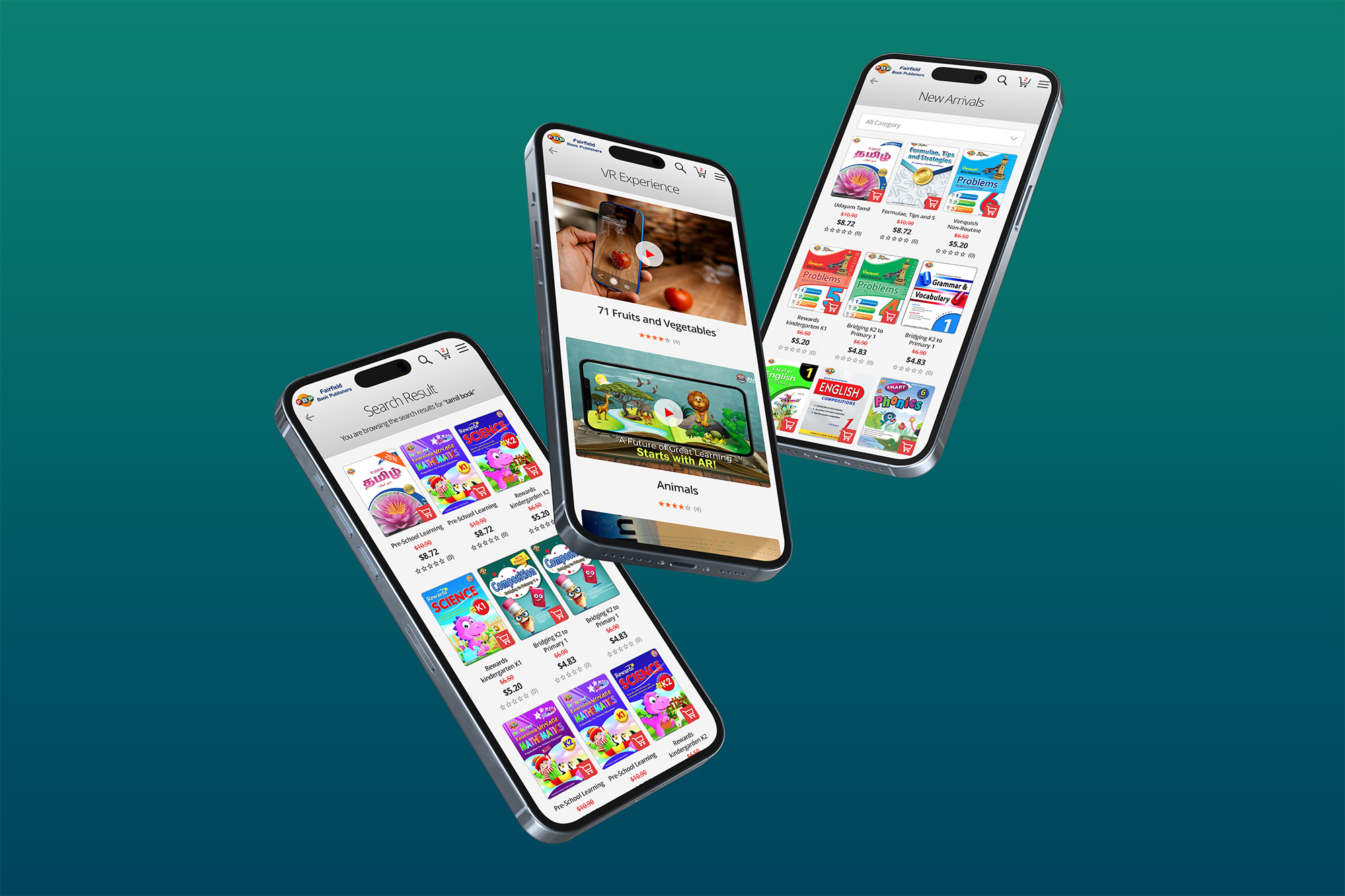
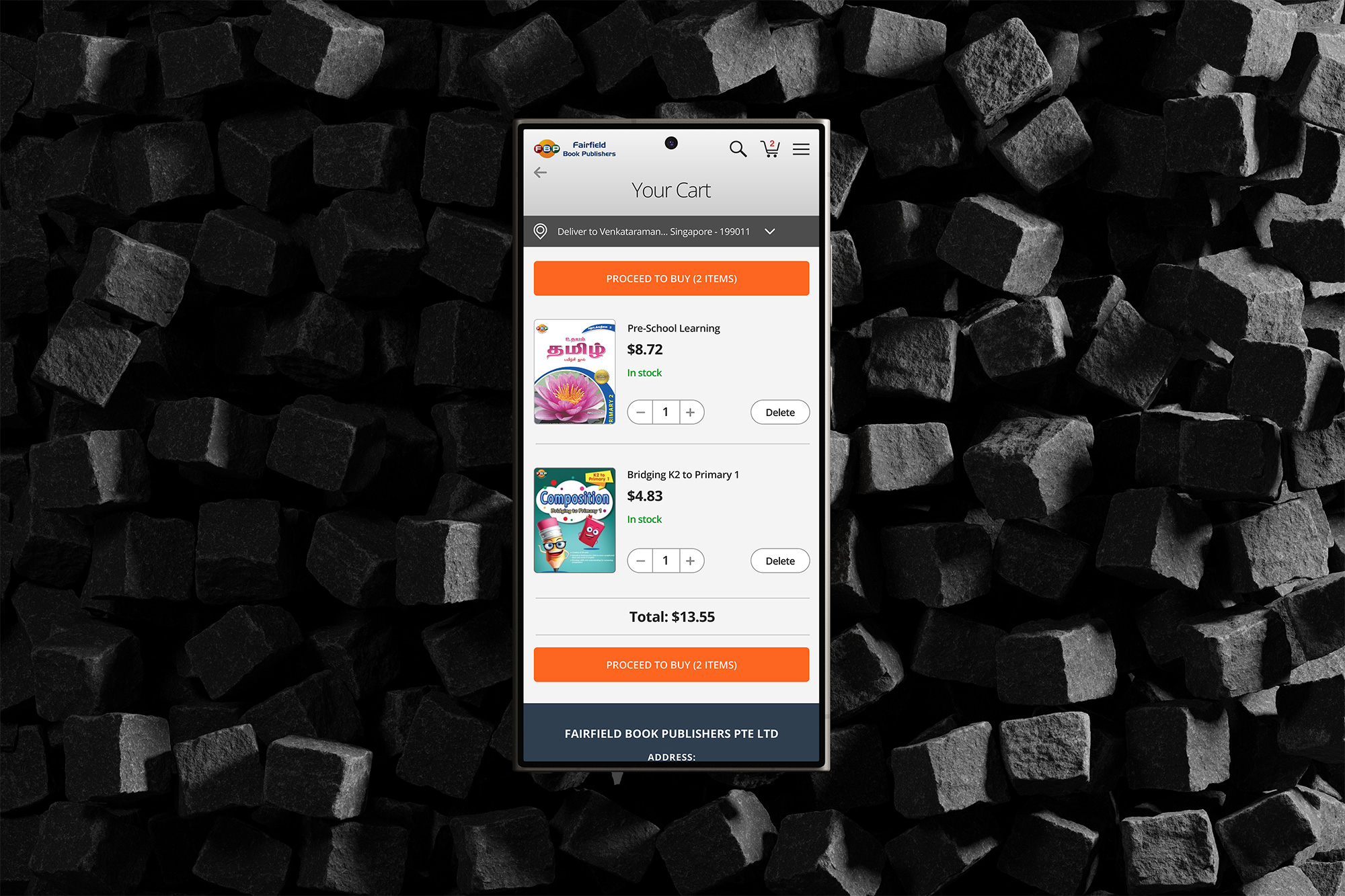
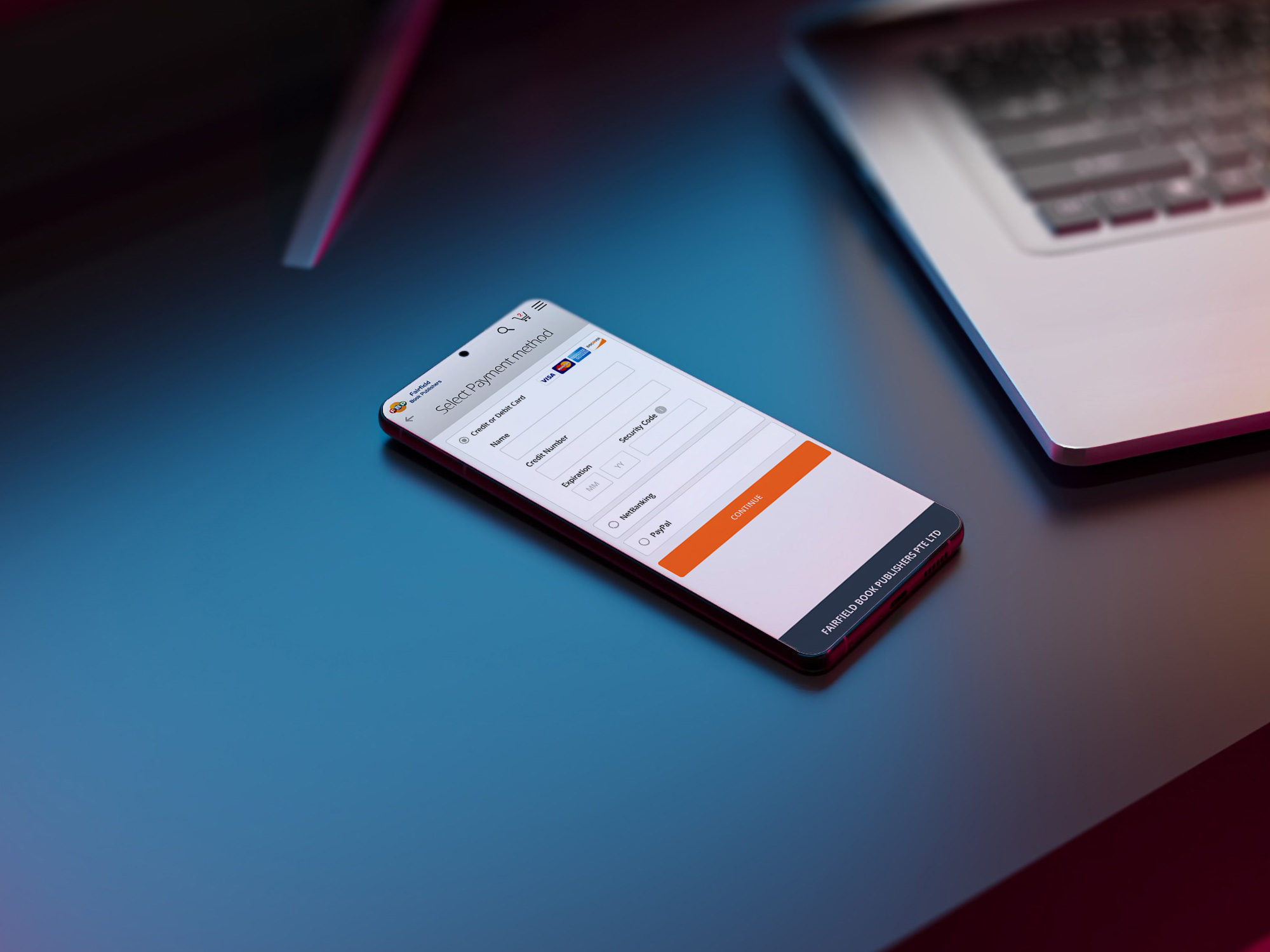
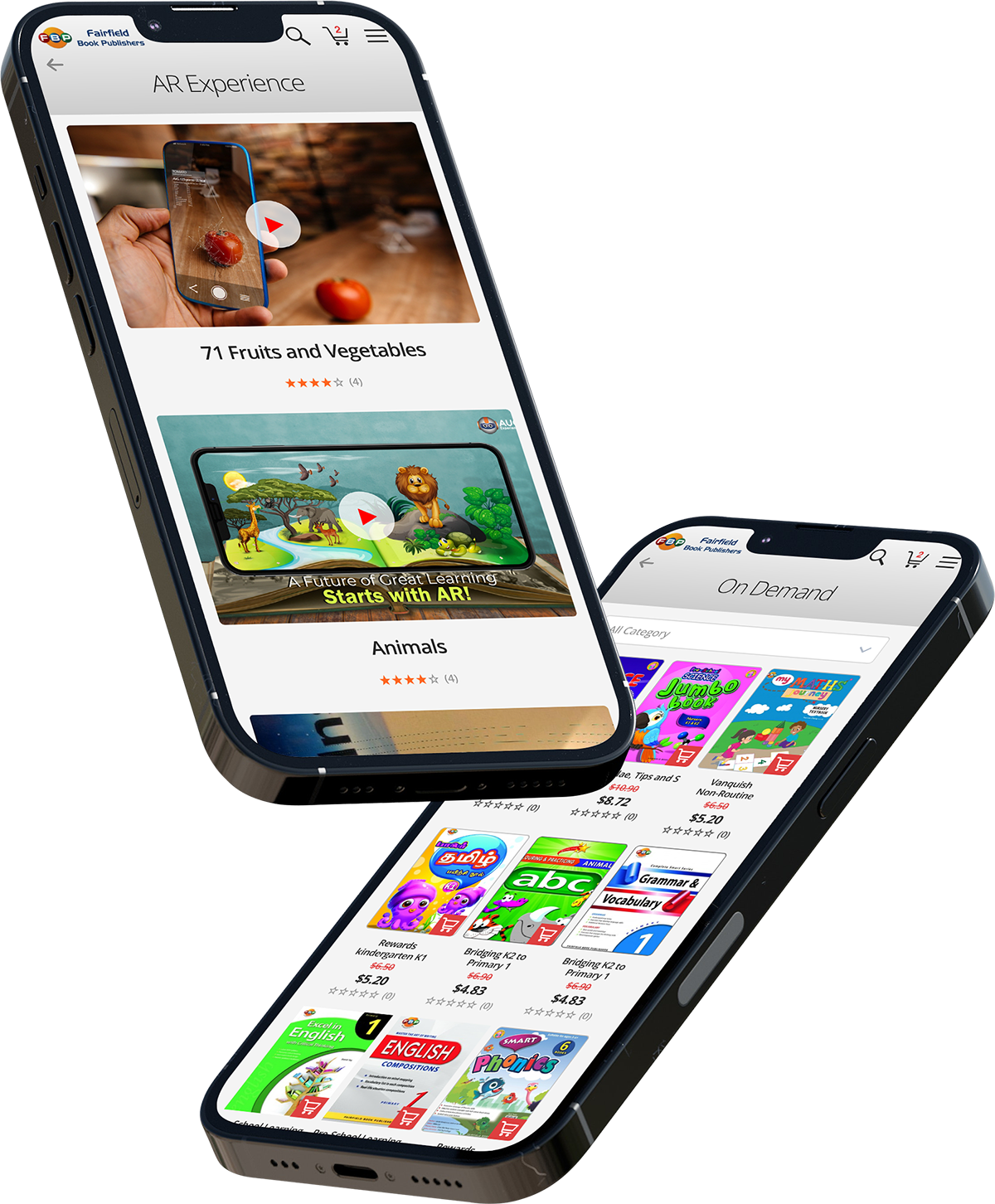
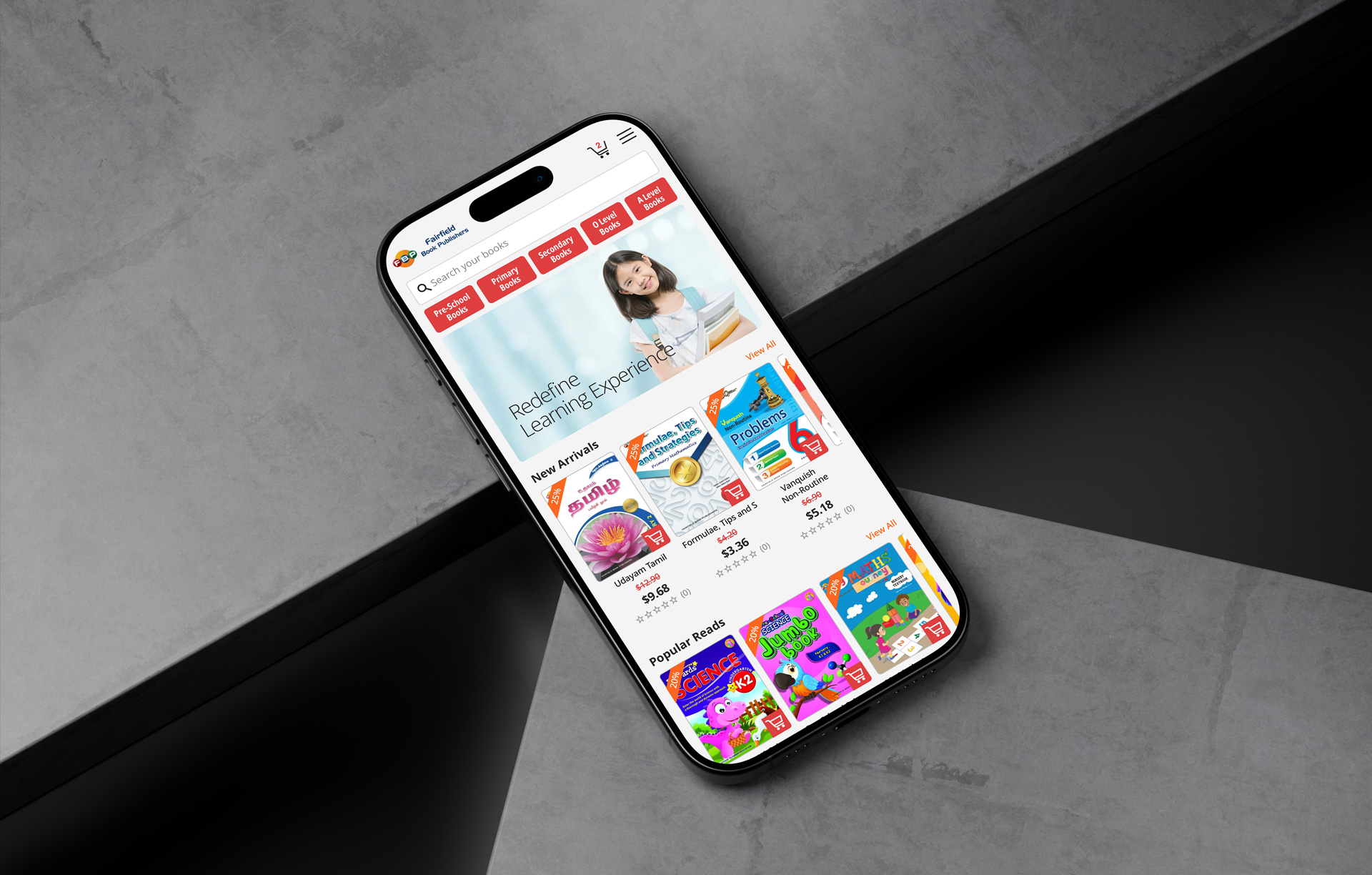
To resolve the friction of the current buying experience and reclaim market independence, Fairfield Book Publishers (FBP) will develop a dedicated, mobile-first e-commerce application. This solution transitions FBP from a transactional vendor to a strategic educational partner, utilizing intelligent design to drastically reduce the cognitive load on parents and students navigating a complex academic catalog.

Key Strategic Pillars

1. Intelligent Information Architecture & Discovery Rather than overwhelming users with a massive, flat inventory, the app will utilize progressive disclosure and smart filtering. The search experience will be rebuilt around the mental models of parents and educators—allowing them to filter effortlessly by academic year (e.g., Primary 4), subject (e.g., Science), and specific examination syllabus (e.g., PSLE).

  • The Fix: A robust, predictive search bar and a visually distinct categorization system that guides the user to the exact syllabus material in three taps or less.

2. Adaptive, Personalized User Journeys The app will introduce contextual user profiles that grow with the student. By capturing the child’s current grade level during onboarding, the home dashboard will dynamically curate content.

  • The Fix: Automated, year-over-year progression logic. When a new academic year begins, the app will proactively recommend the next level of textbooks and assessment materials, shifting the user experience from manual searching to personalized curation.
Deep Understanding

The Users and the Industry

To design a mobile experience that converts, we must root the application in a deep understanding of the high-stakes Singaporean education landscape and the specific psychological drivers behind purchasing educational materials.

The Industry Landscape: Singapore Educational Publishing

  • The “High-Stakes” Culture: The Singapore education system is rigorous, punctuated by critical milestones like the PSLE, O-Levels, and A-Levels. For parents, buying assessment books is not a discretionary purchase; it is an emotional, high-priority investment in their child’s future. The app’s tone and UX must reflect trust, authority, and reliability.

  • The Shift to Intent-Driven Commerce: While physical browsing at traditional bookstores (like those in Bras Basah Complex) remains a cultural staple, the actual purchasing behavior has shifted heavily toward digital convenience. Buyers are increasingly intent-driven—they know the specific syllabus or author they need and want the shortest path to checkout.

  • Bypassing the Marketplace Clutter: General e-commerce platforms (Shopee, Lazada) are cluttered and optimize for algorithmic discovery rather than educational progression. FBP’s distinct advantage will be offering an environment free of distraction, built explicitly around the Ministry of Education (MOE) curriculum structures.

I made a

Personas
& User Journey Maps

My interviews with the Business Users and Callers provided critical, detailed information. This foundation allowed me to successfully create the resulting personas and journey maps.

Personas

Personas

Empathy is the foundation of great design. I develop UX Personas to humanize our target audience, allowing us to step into the user’s shoes. Understanding their ‘why’ helps me design interfaces that don’t just look good, but feel relevant and intuitive to the people using them.
FBP-persnaa-01
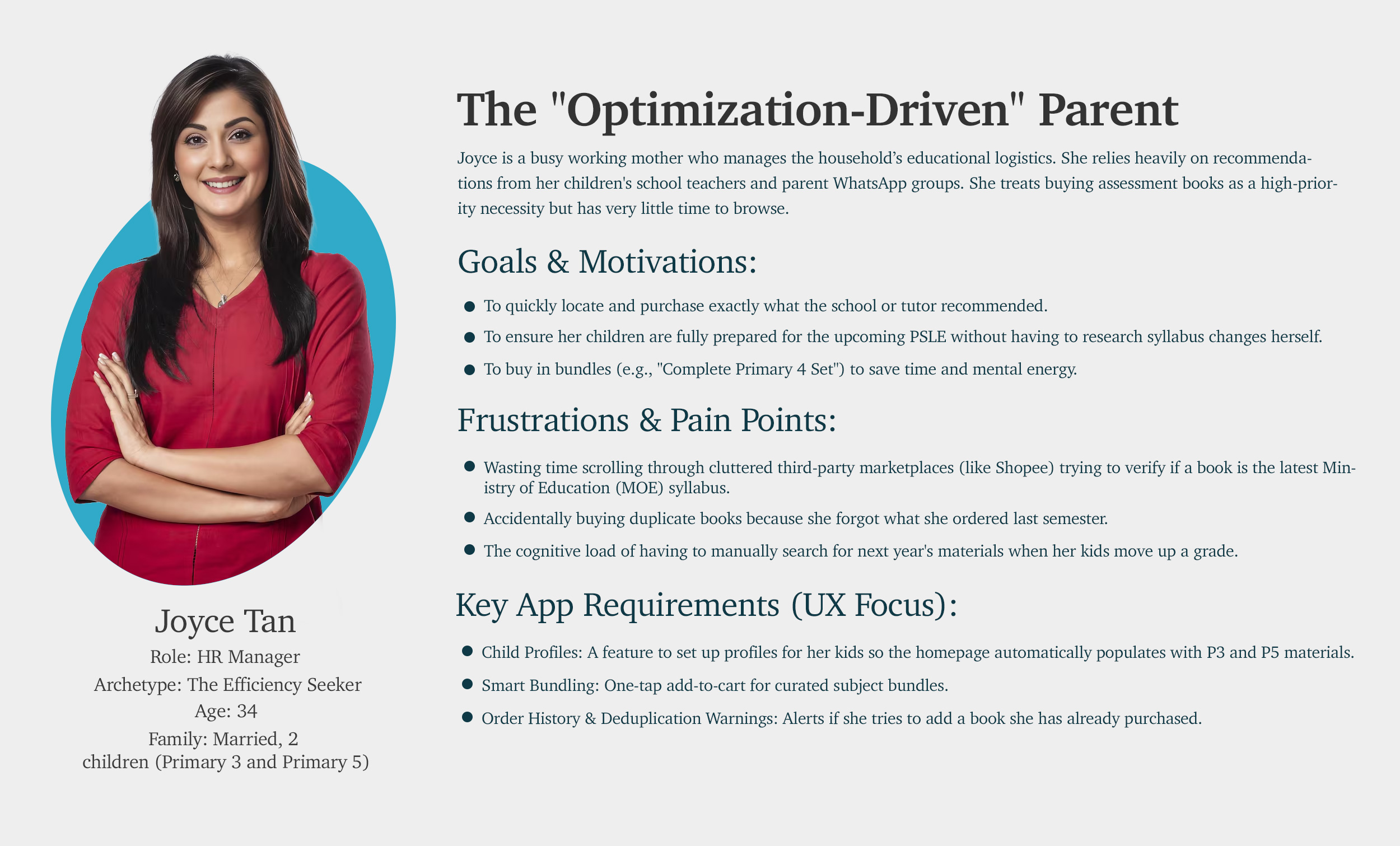
The "Optimization-Driven" Parent - Persona
FBP-persnaa-02
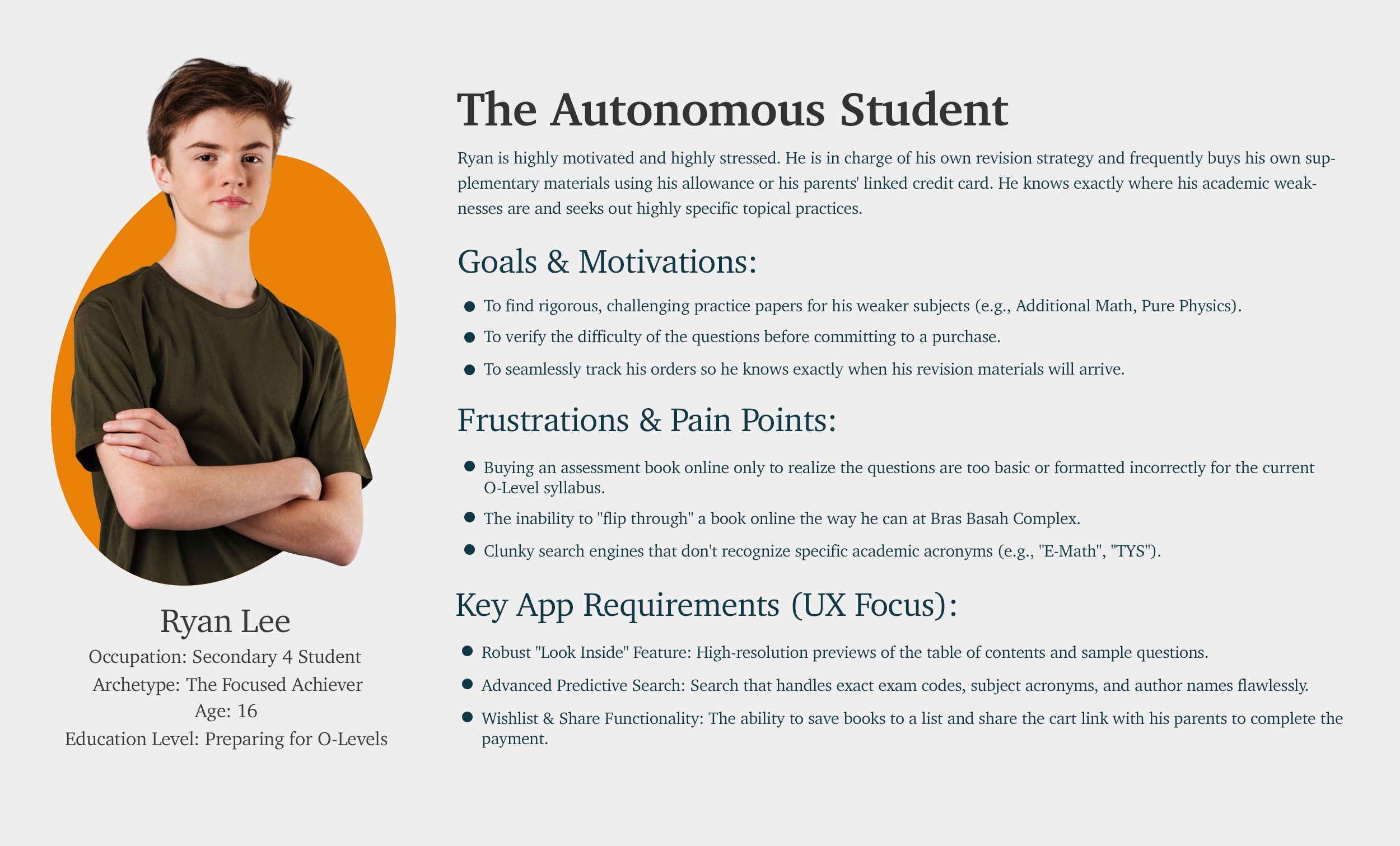
The Autonomous Student - Persona
FBP-persnaa-03
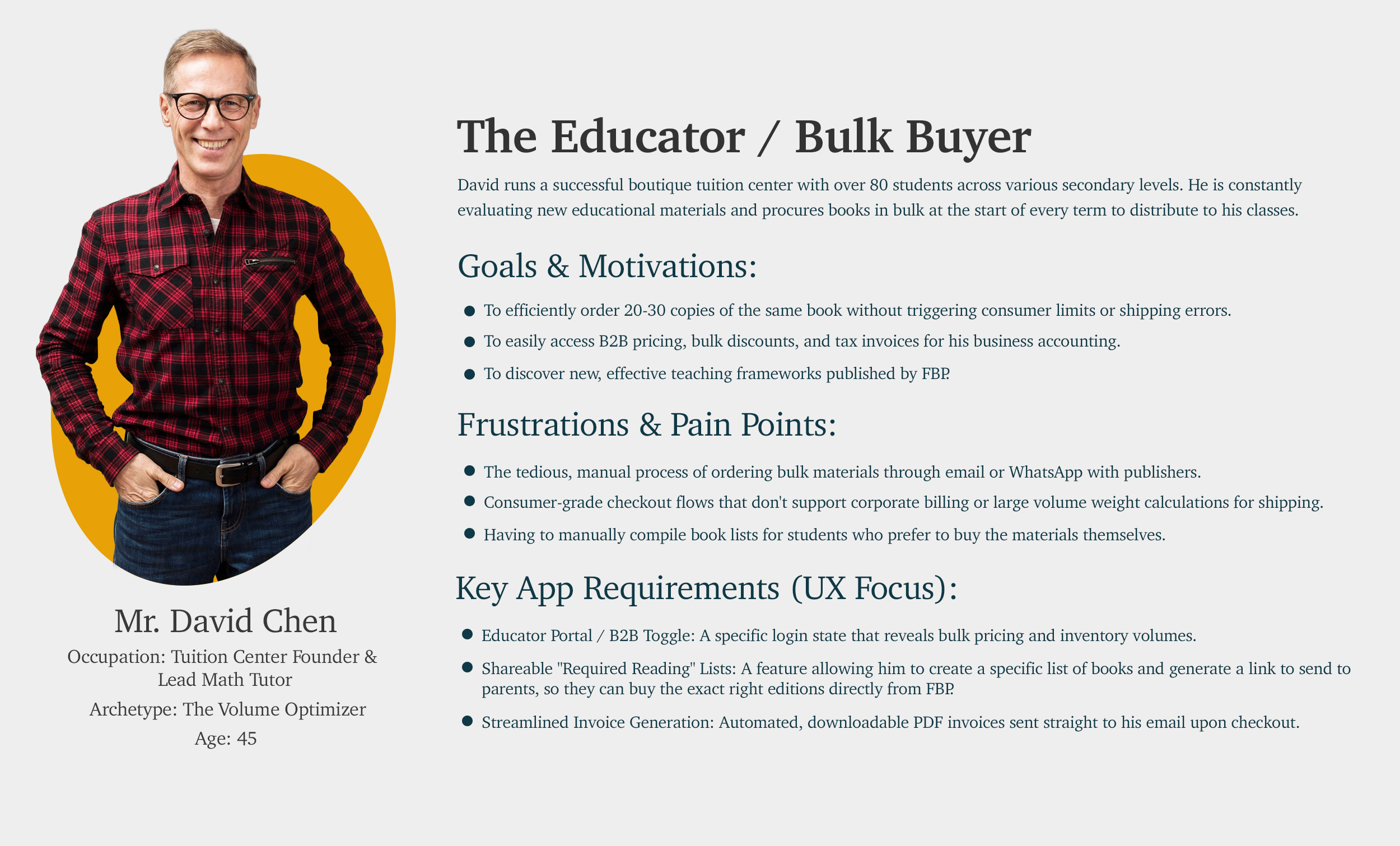
The Educator / Bulk Buyer - Persona
User-Journey-Maps-img

User Journey Maps

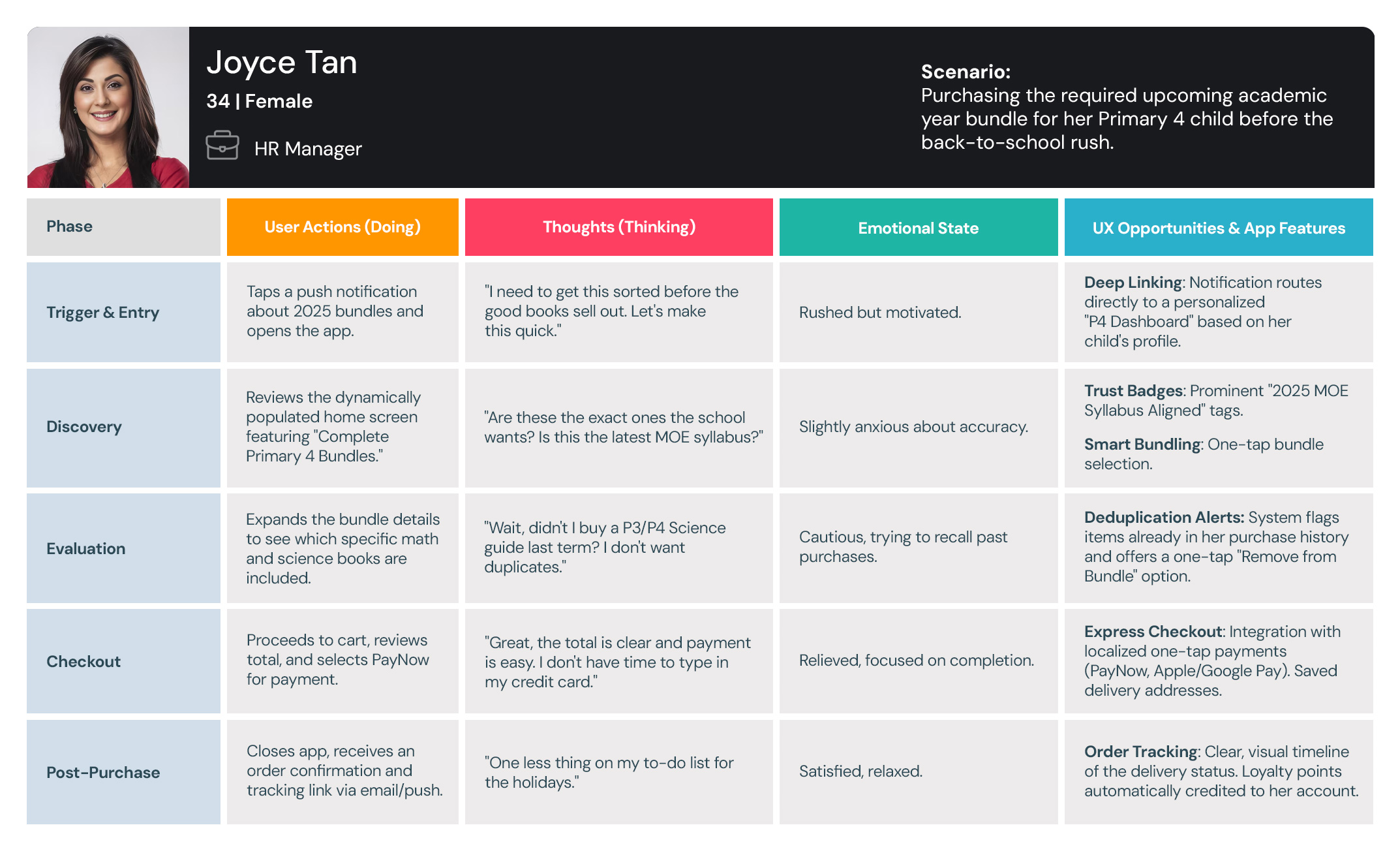
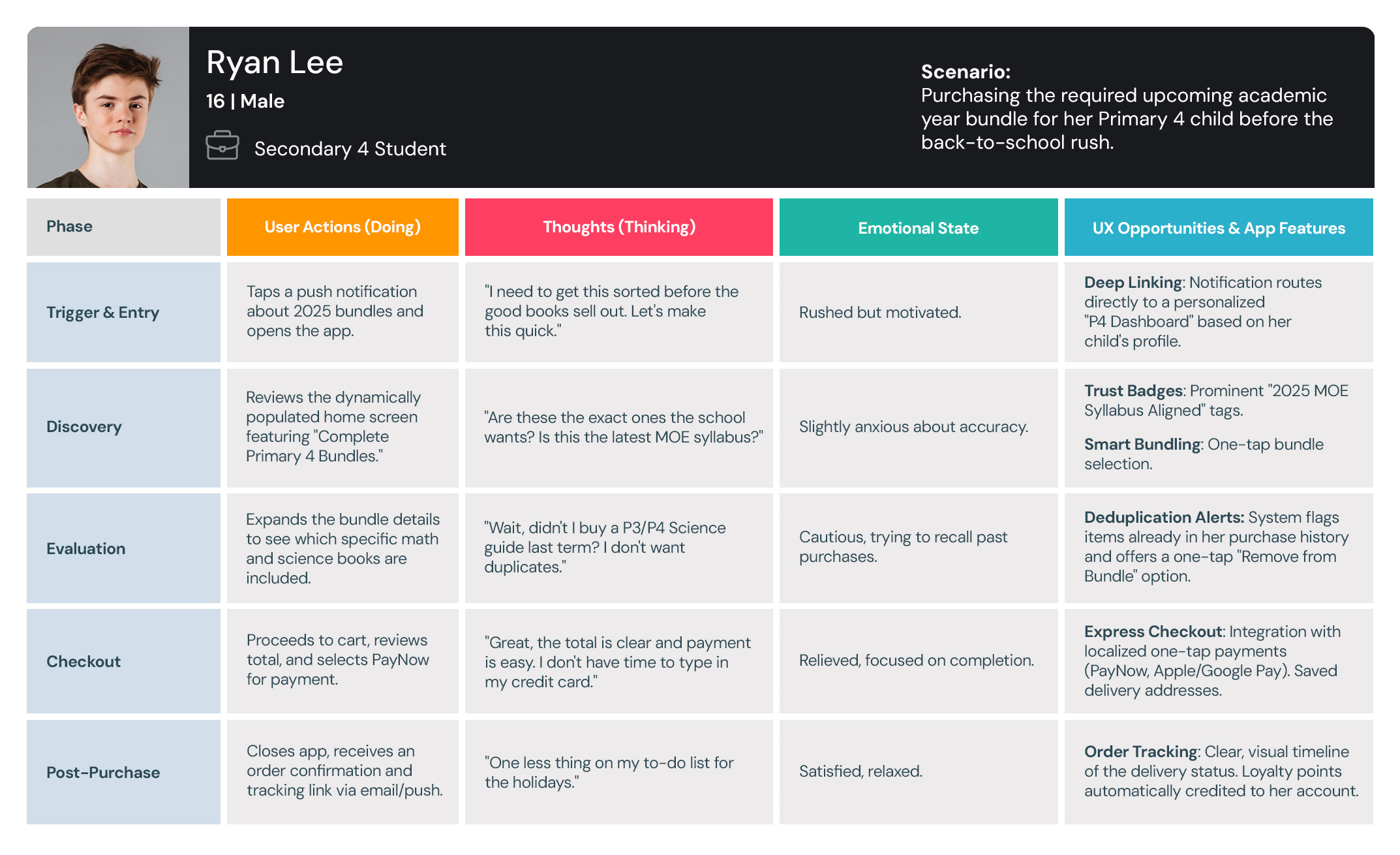
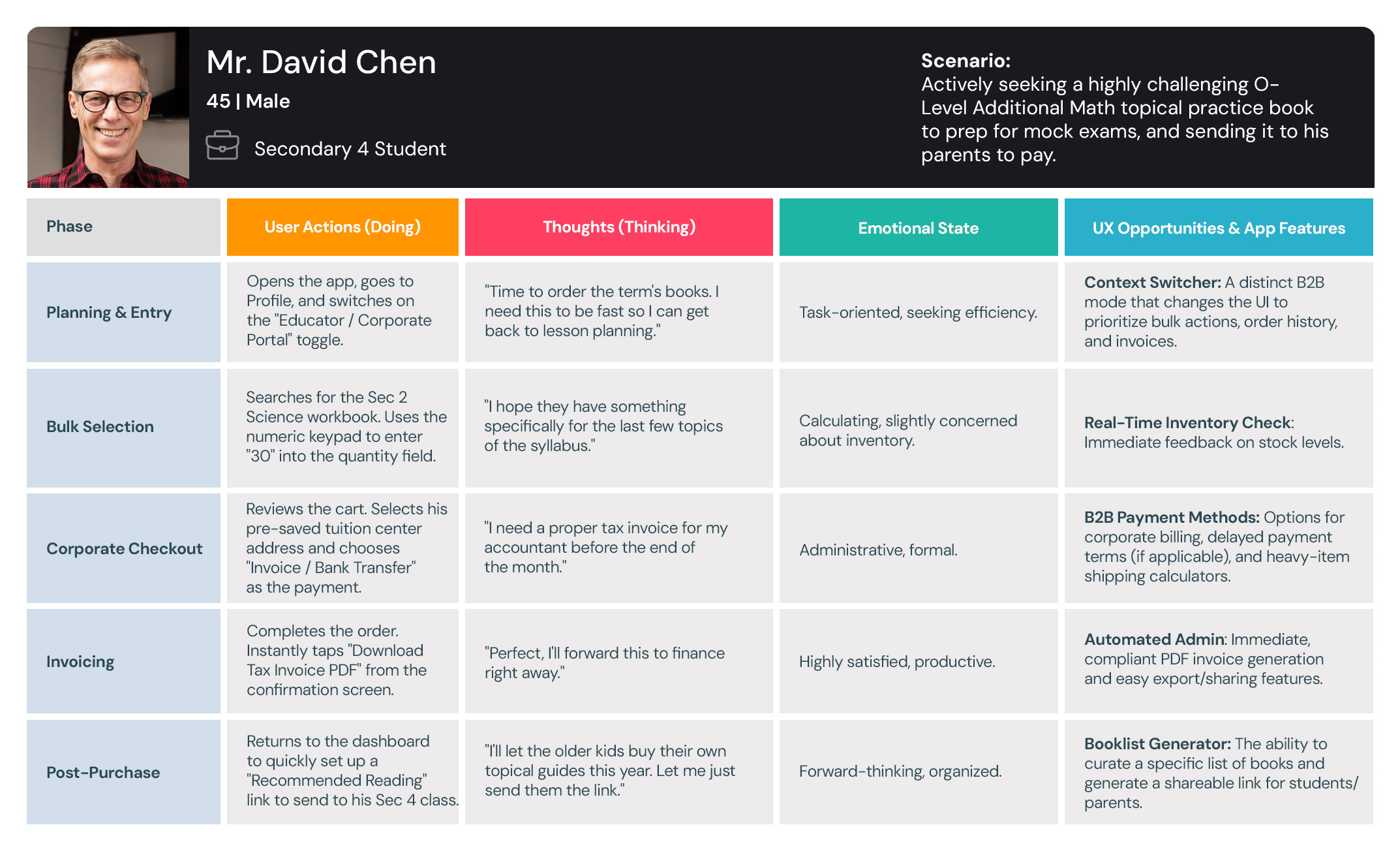
I use User Journey Maps to visualize the end-to-end experience and uncover hidden friction points. By mapping out every touchpoint—from discovery to conversion—I identify where users get frustrated or lose interest. This allows us to turn ‘drop-off points’ into opportunities for engagement.
user-journey-maps-01-FBP
The "Optimization-Driven" Parent - User Journey Maps
user-journey-maps-02-FBP
The Autonomous Student - Journey Maps
user-journey-maps-03-FBP
The Educator / Bulk Buyer - User Journey Maps
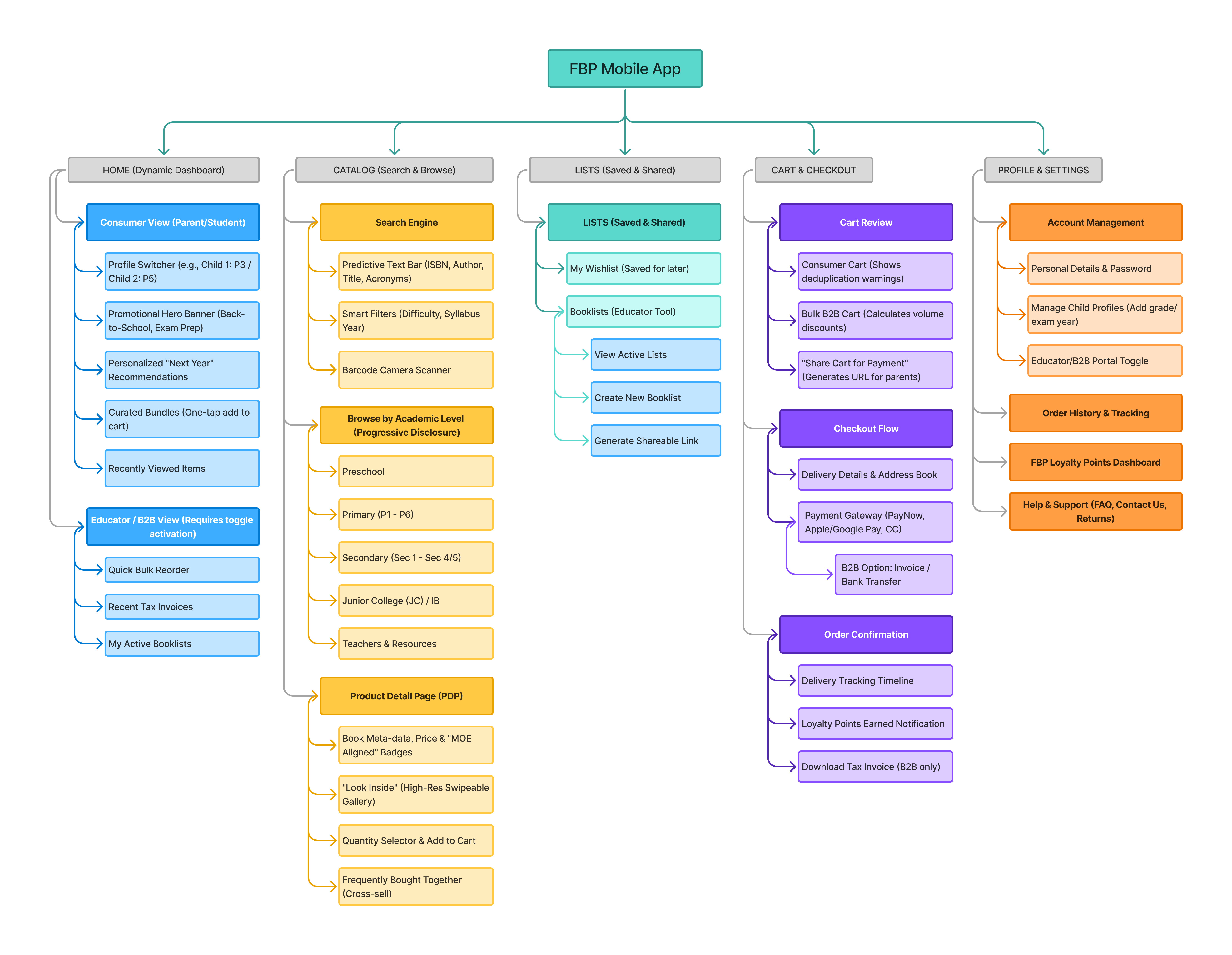
The blueprint

Information
Architecture.

Key Takeaways from this Sitemap:
  • Flat Global Navigation: The 5 core pillars (Home, Catalog, Lists, Cart, Profile) will live in a persistent bottom tab bar, meaning users are never more than one tap away from their primary goals.

  • Shallow Depth: Despite the massive catalog, a user can get from the “Catalog” tab to a specific Primary 4 Science book in a maximum of three taps.

  • Isolated Complexity: B2B features (invoicing, bulk ordering) are neatly tucked away under the Profile toggle, ensuring they don’t clutter the interface for everyday parents and students.

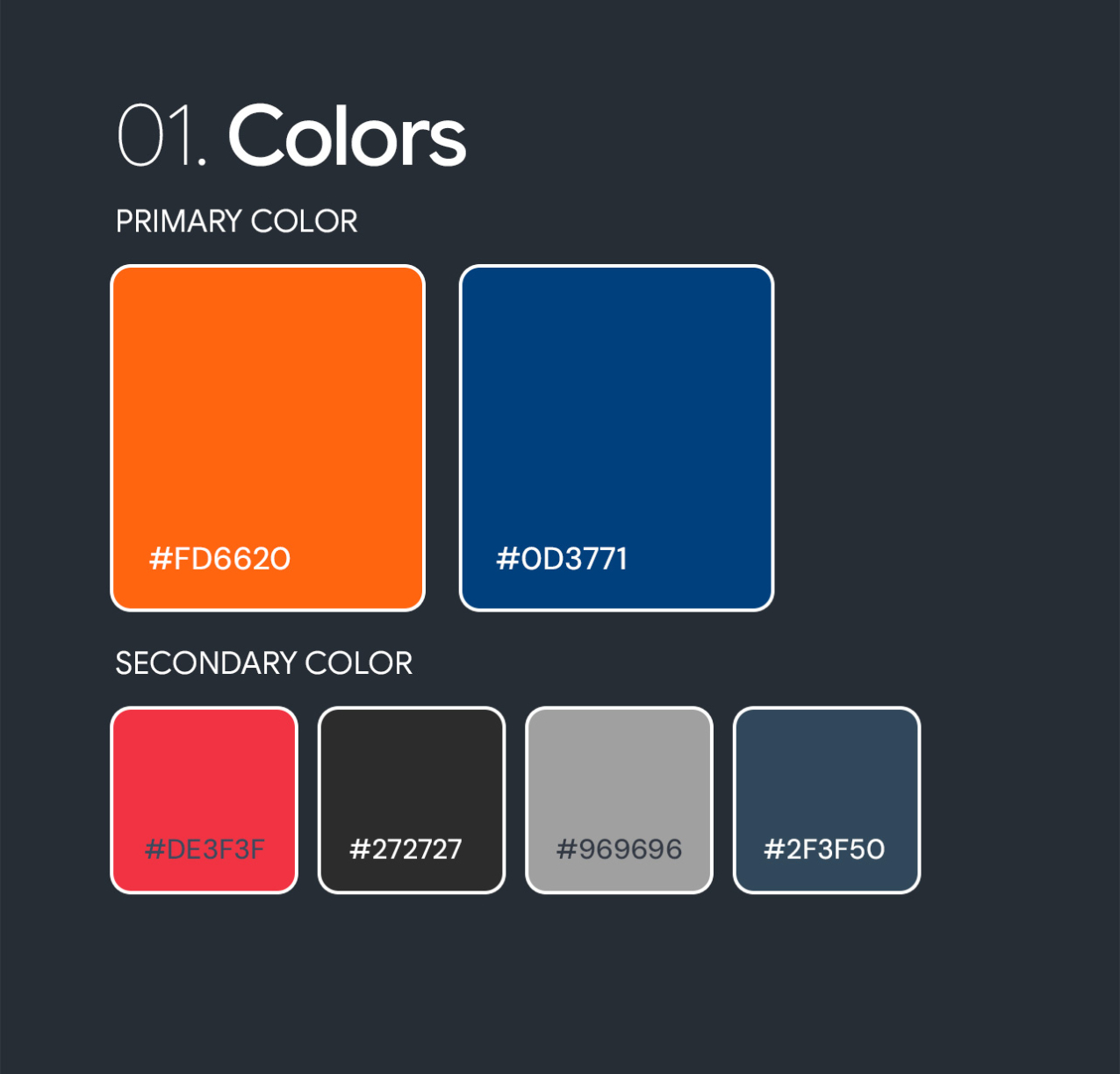
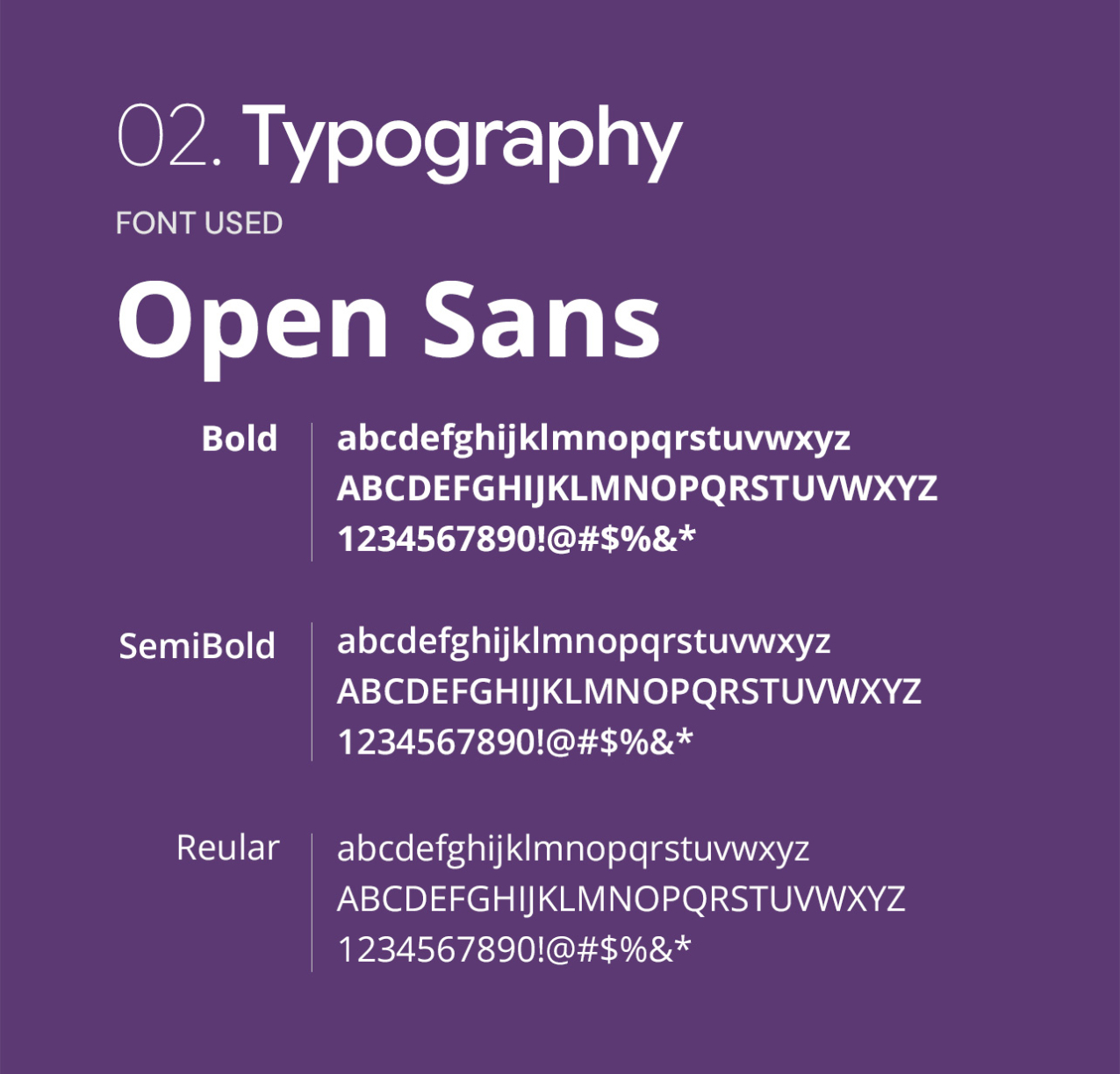
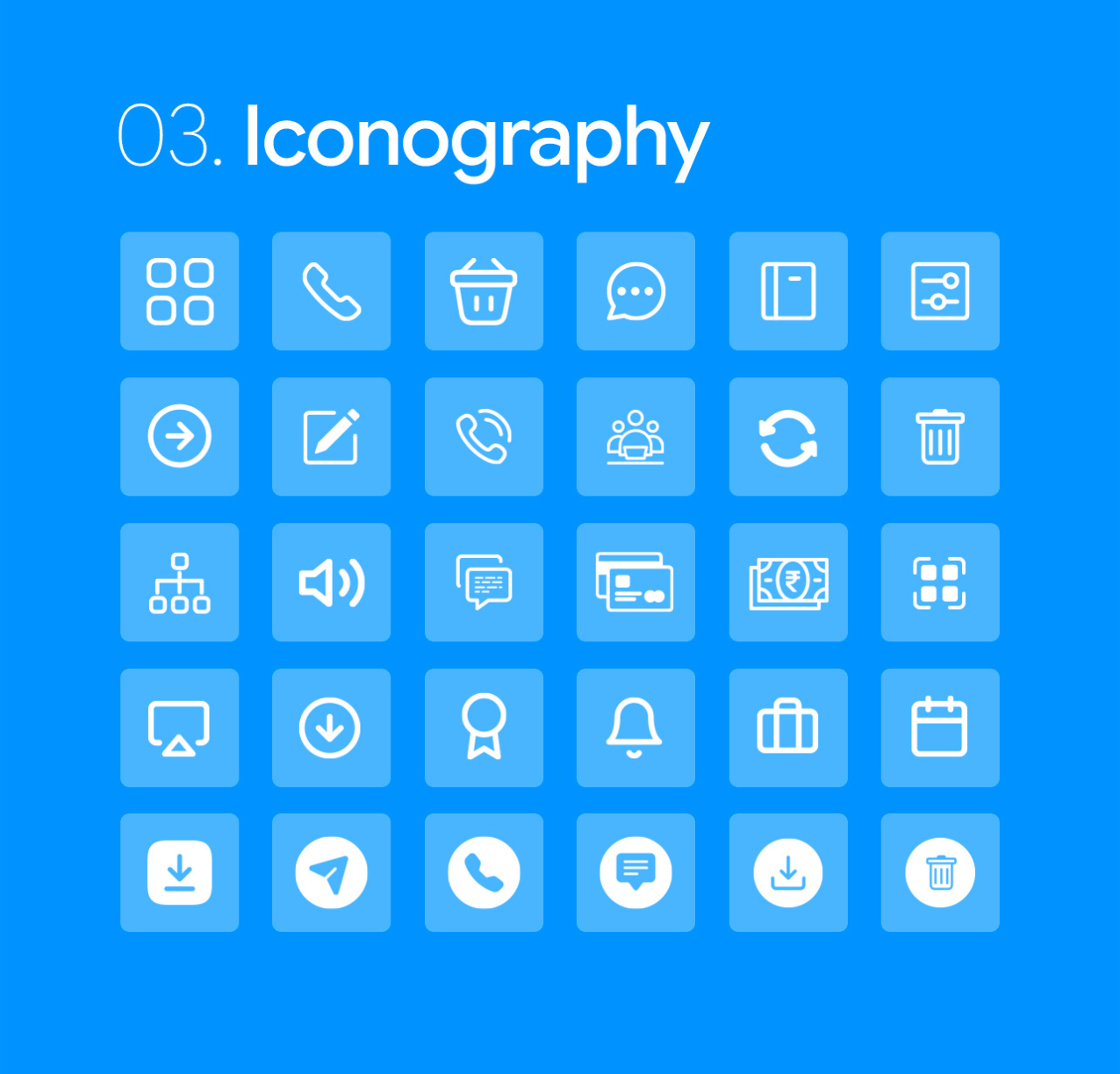
Style Guide

I developed a comprehensive design system that eliminated inconsistencies and cut down production time, allowing the team to focus on delivering a superior user experience.
typograph-FBP
ivr-iconography
The

Visual Design

To me, Visual Design is more than just aesthetics—it’s a communication tool. I use typography, color theory, and spacing to create a clear visual hierarchy that guides the user’s eye to what matters most.

  • Address

    VenkiDesigns
    10/A, Indira Gandhi Street,
    Sengeniammal Nagar, Orlean Pet
    Pondicherry – 605005. (INDIA)
  • Sign up for the newsletter

This website stores cookies on your computer. Cookie Policy