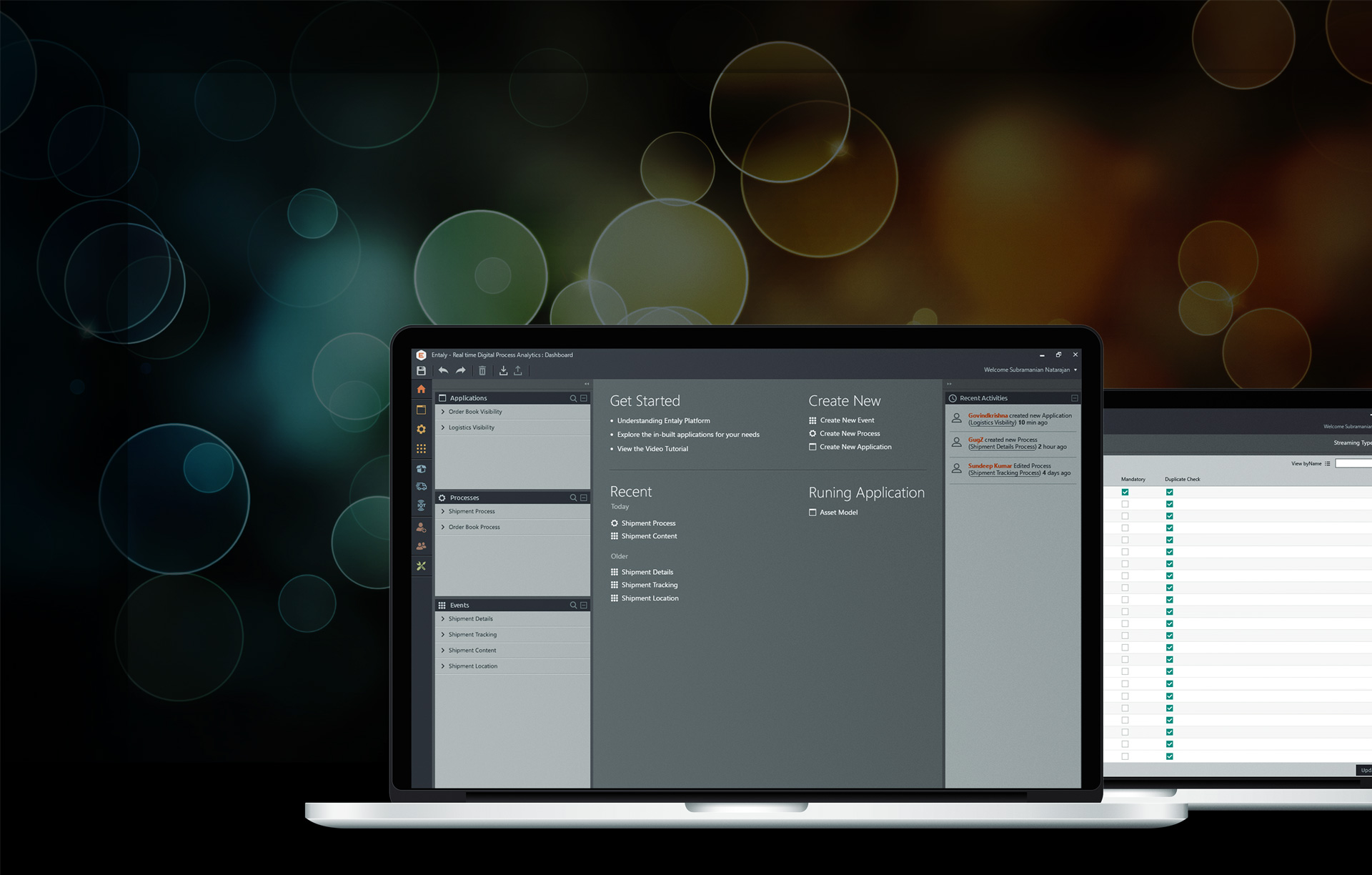
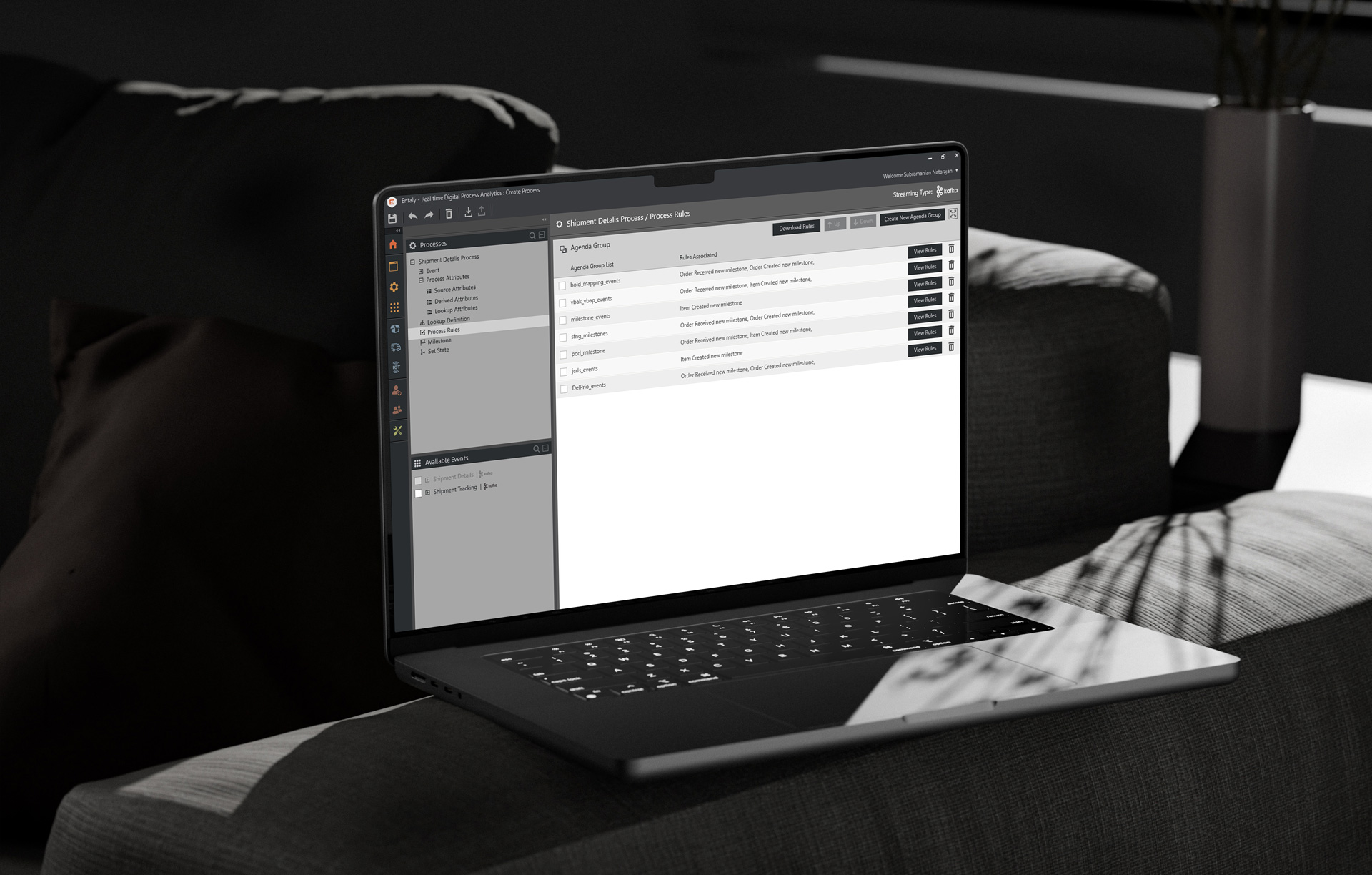
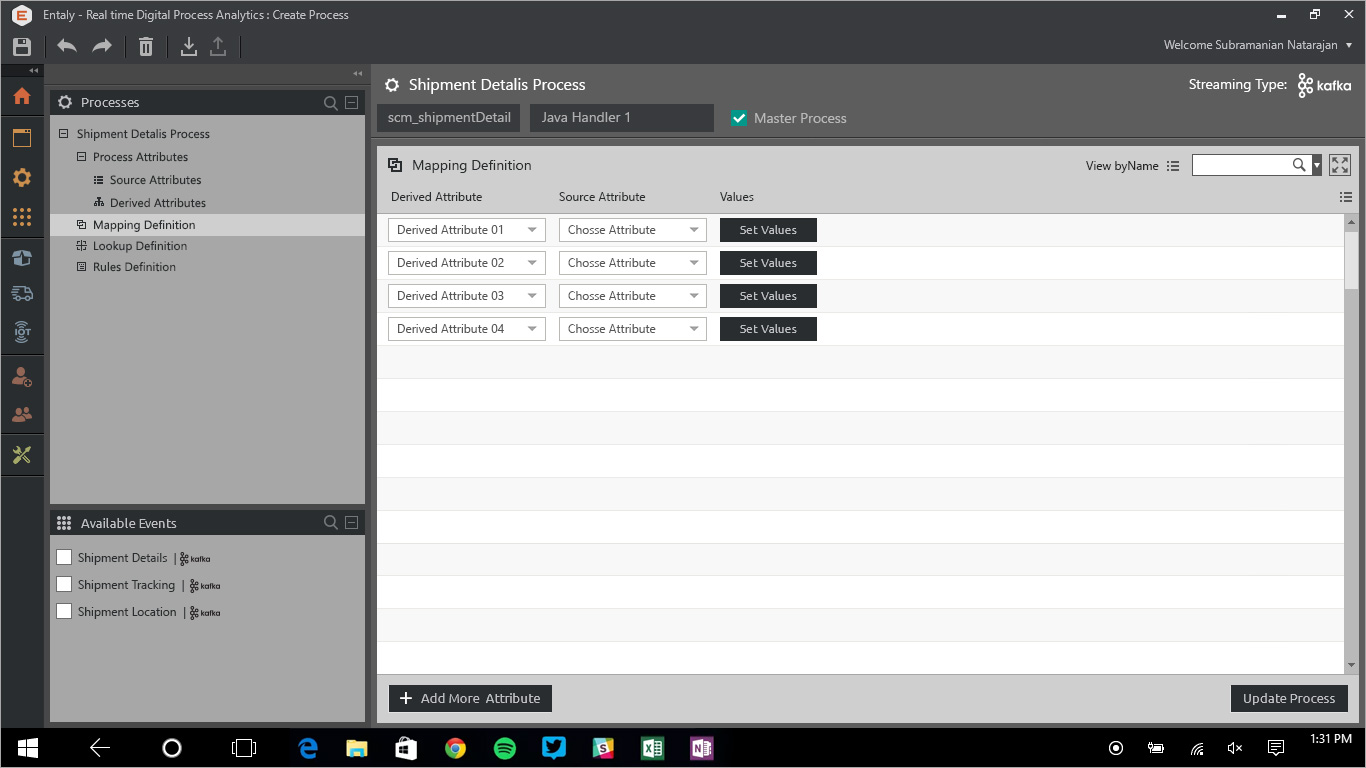
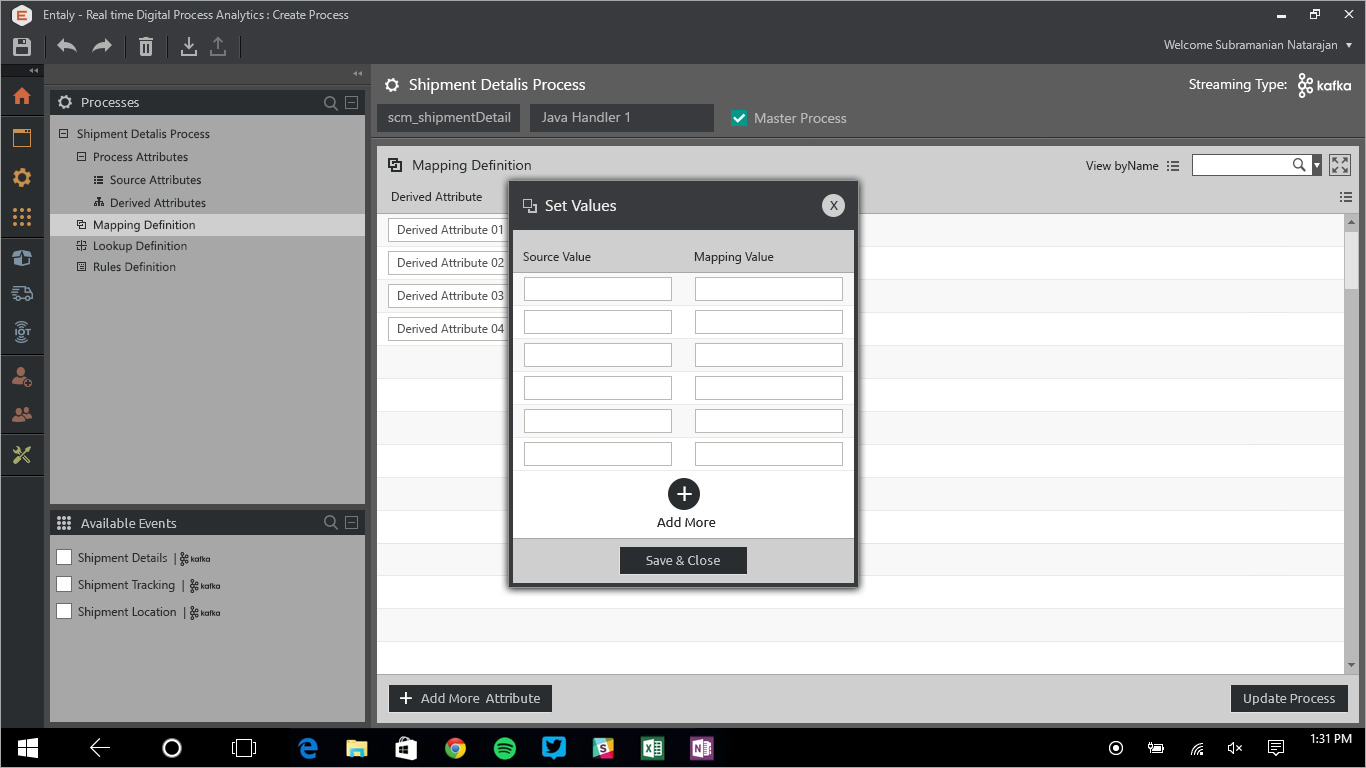
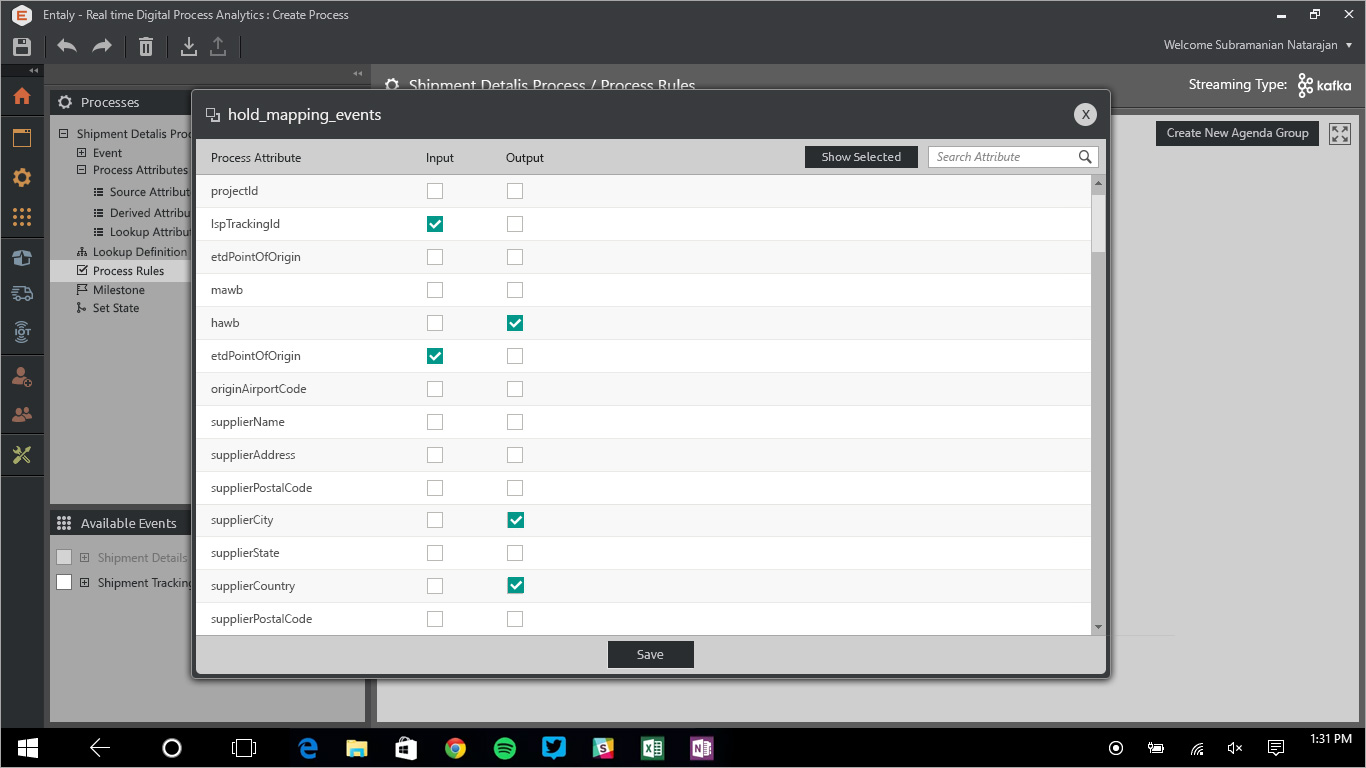
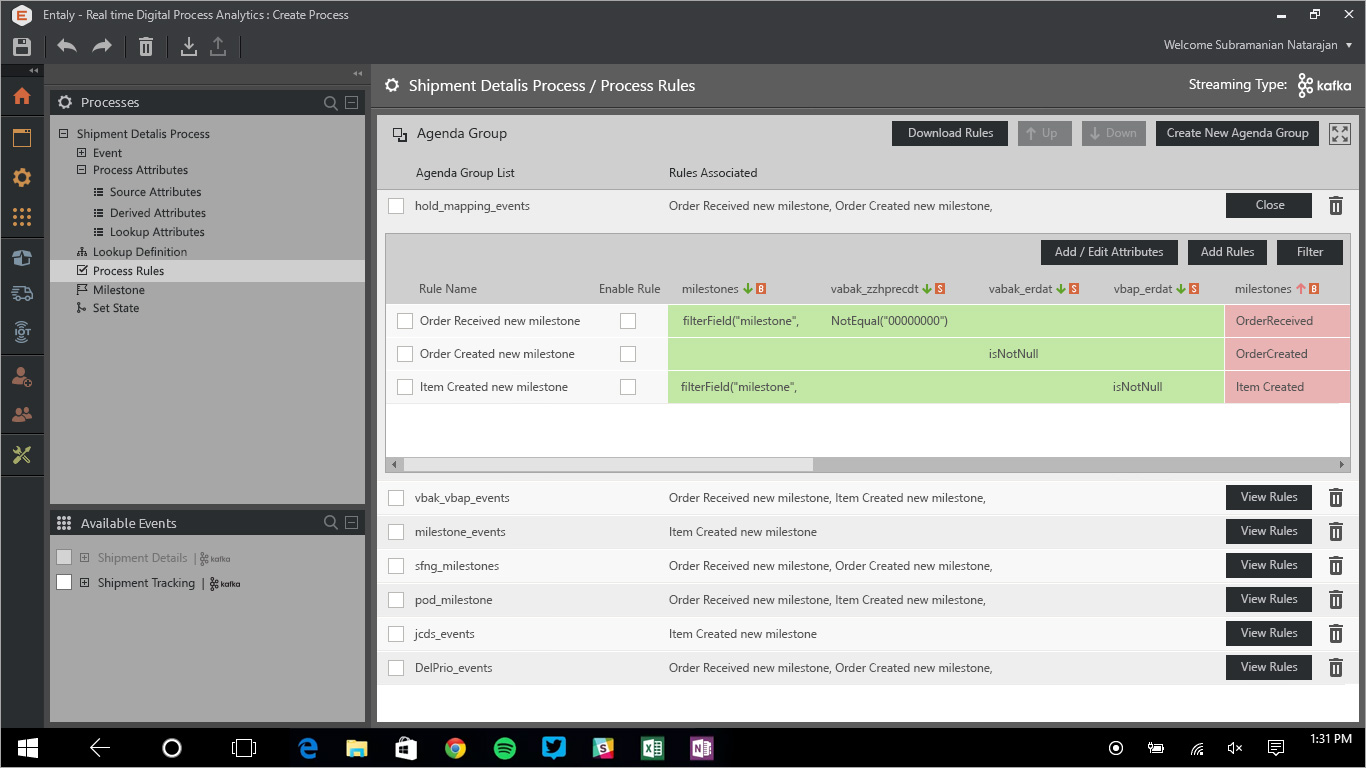
UI/UX | Thick Client Application
Real Time Digital Process Analysis
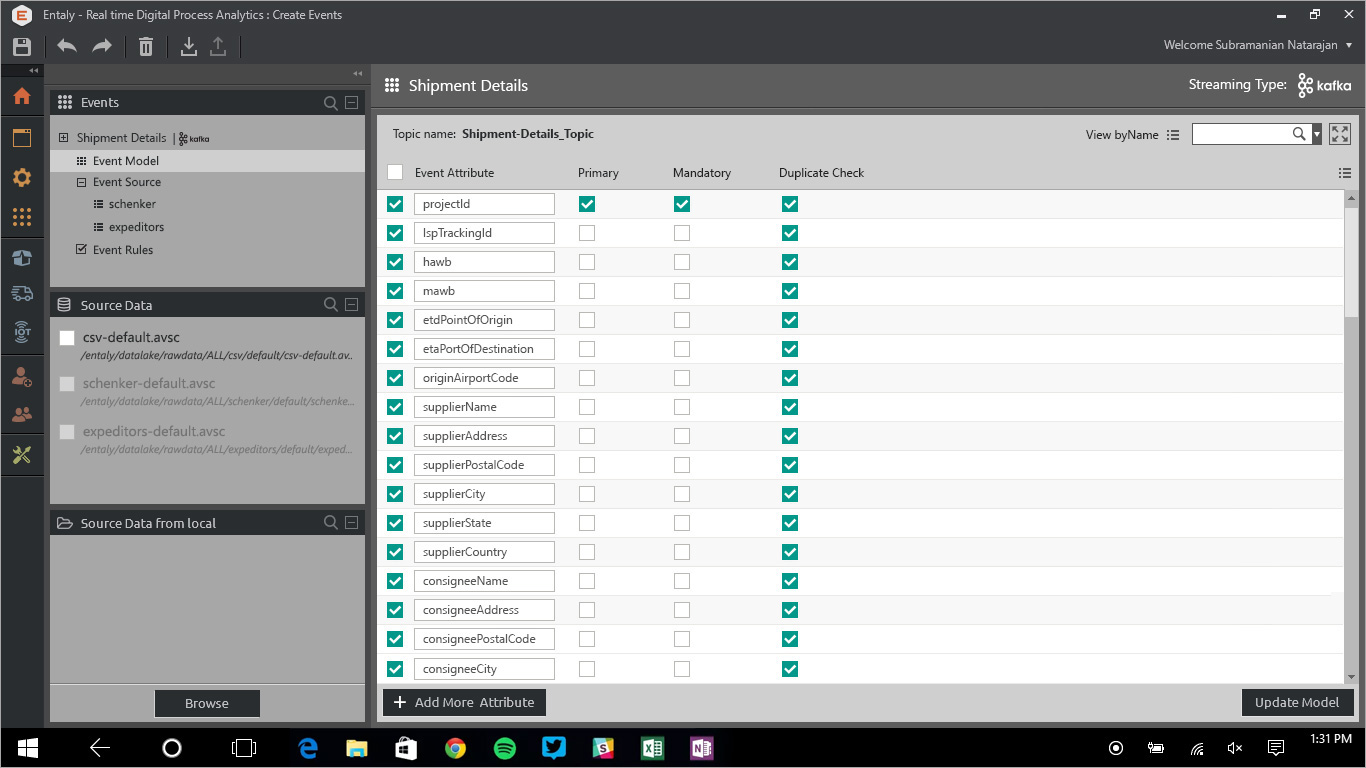
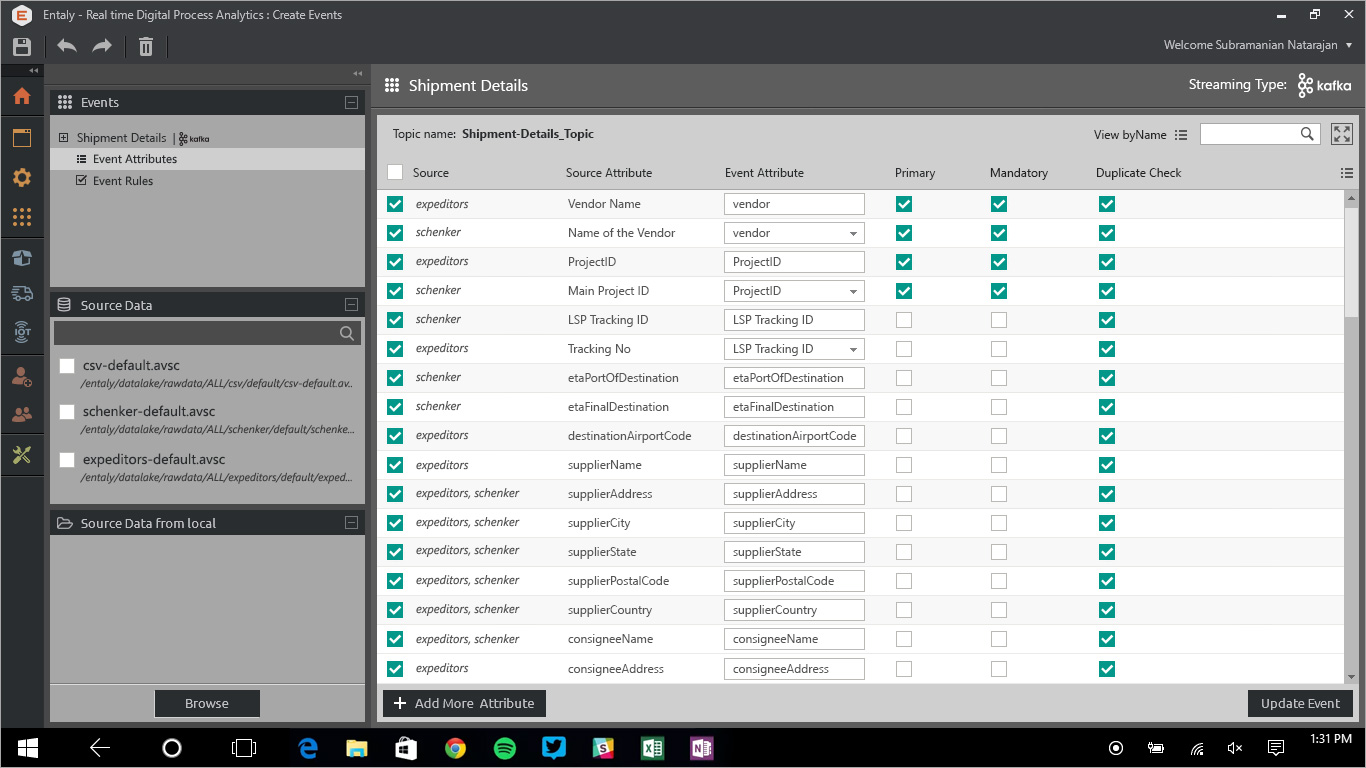
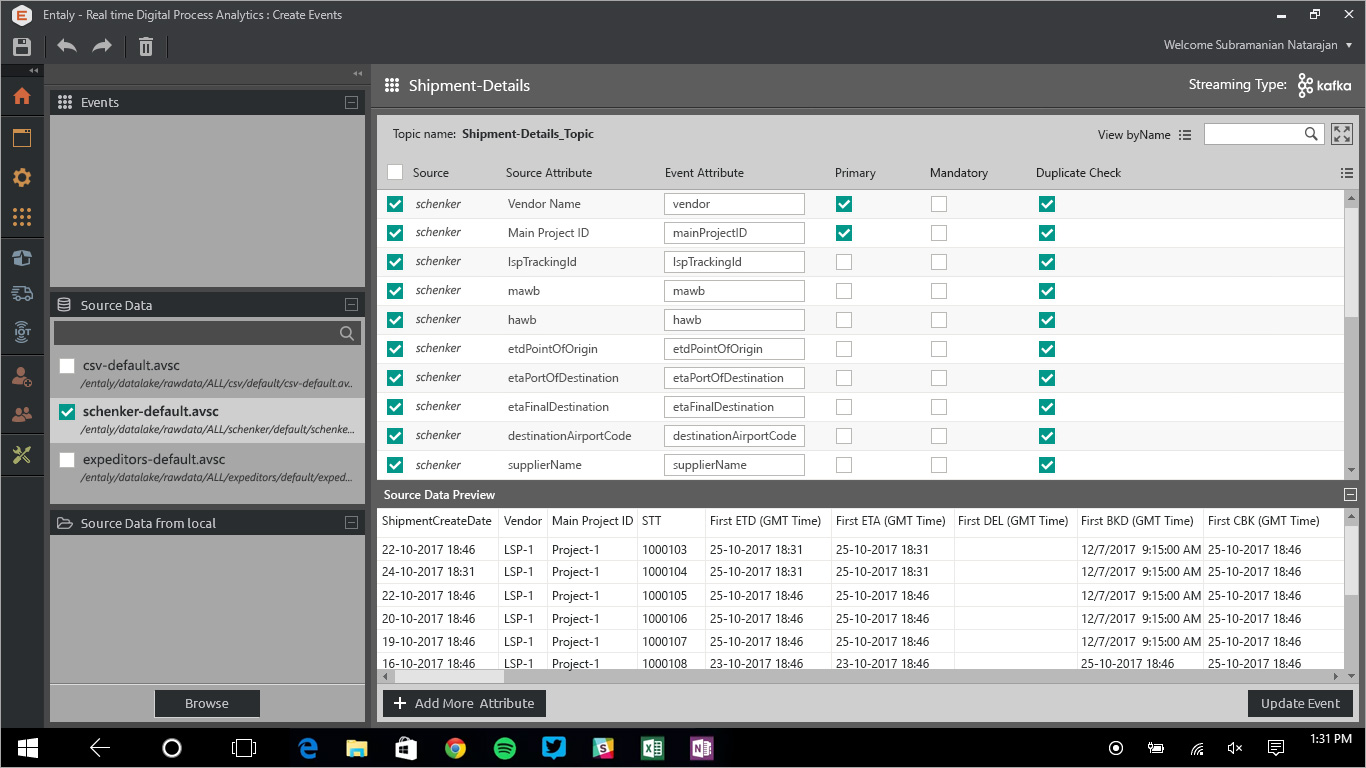
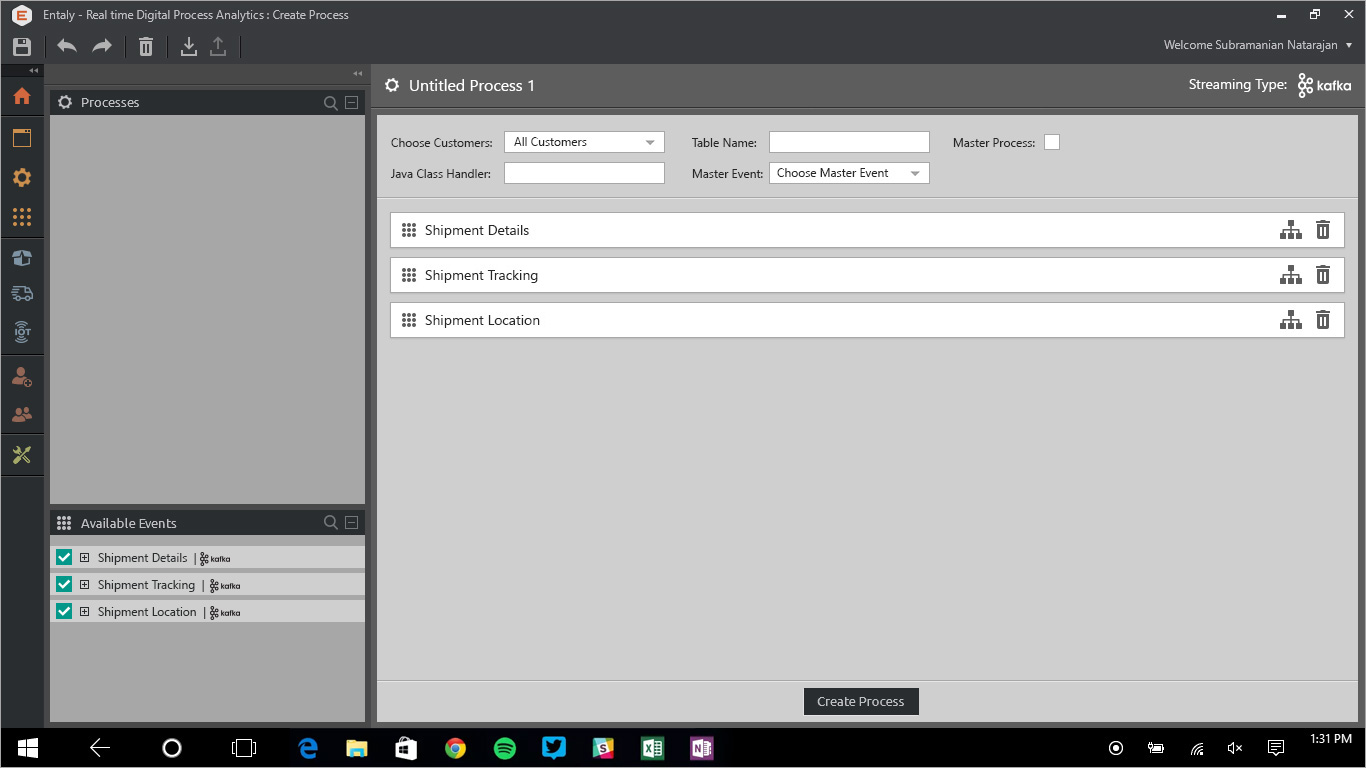
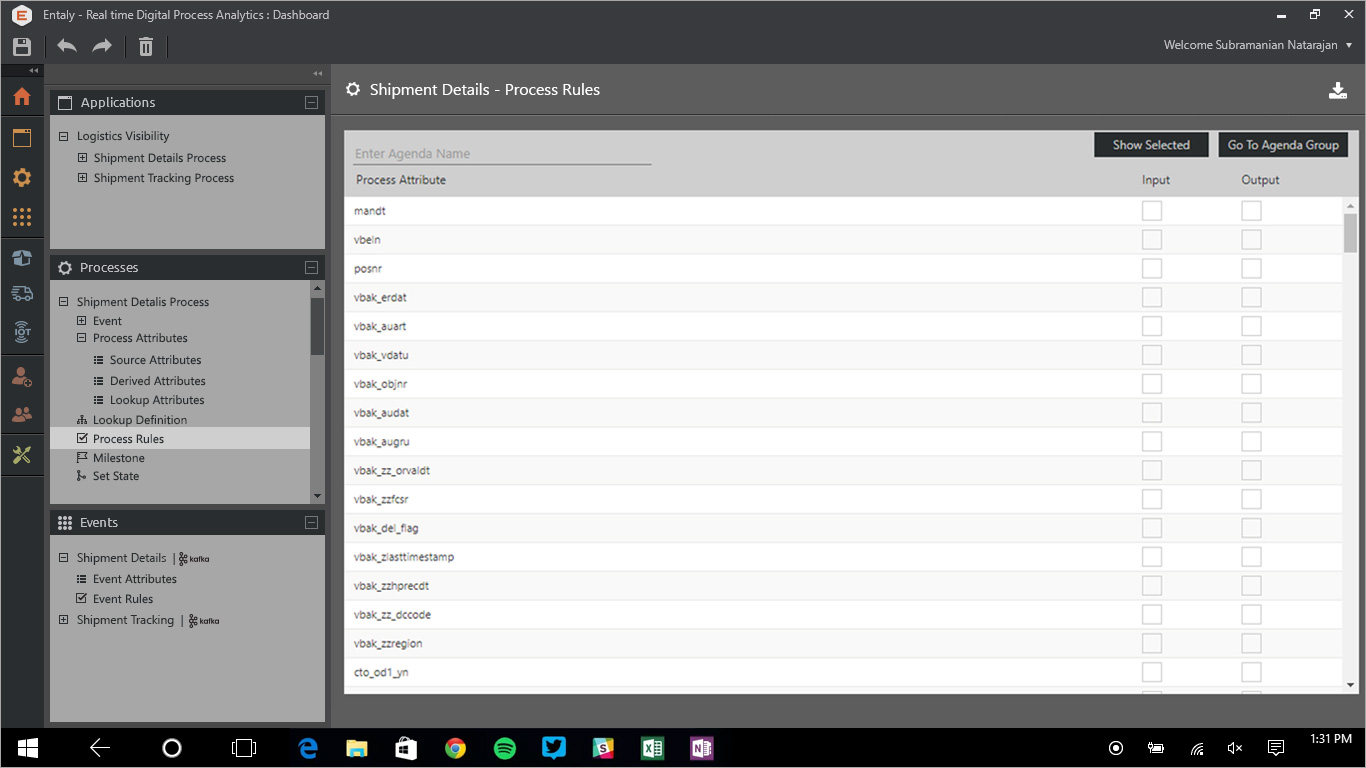
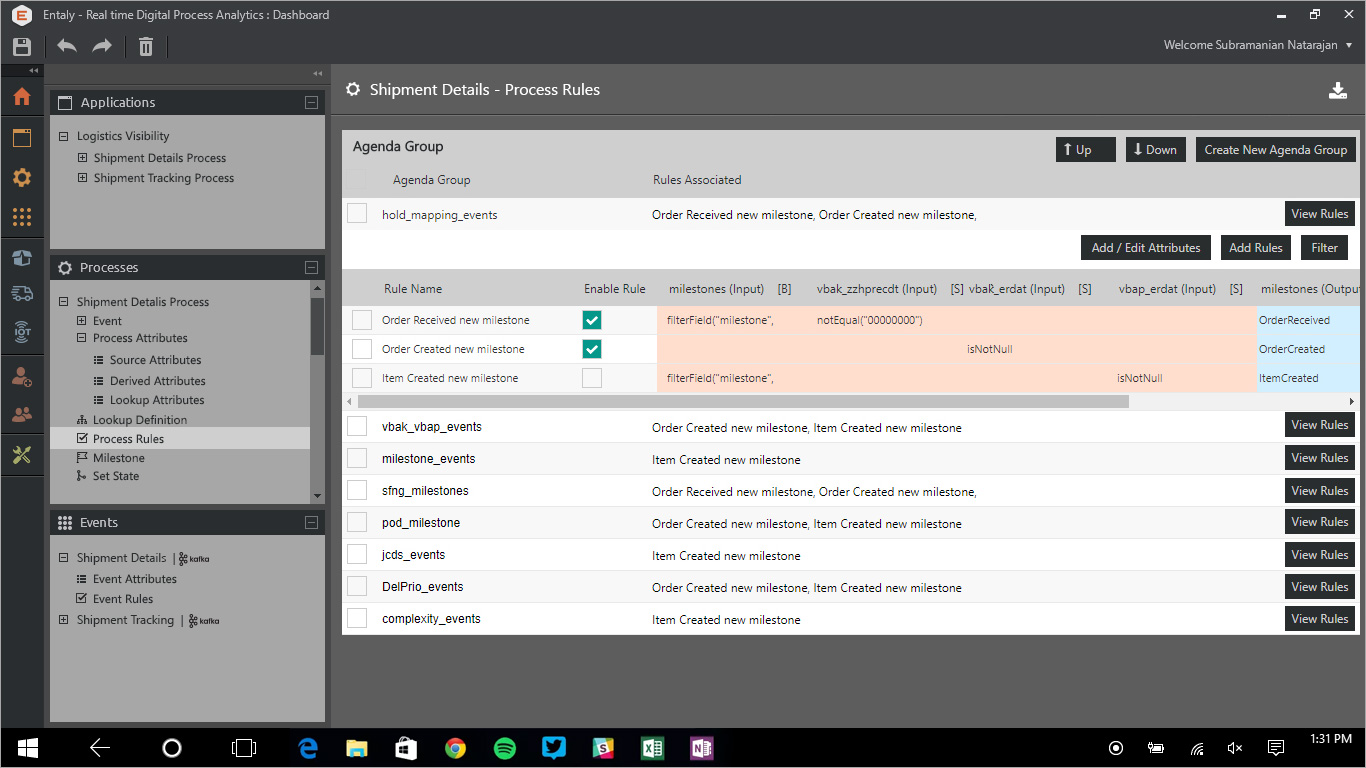
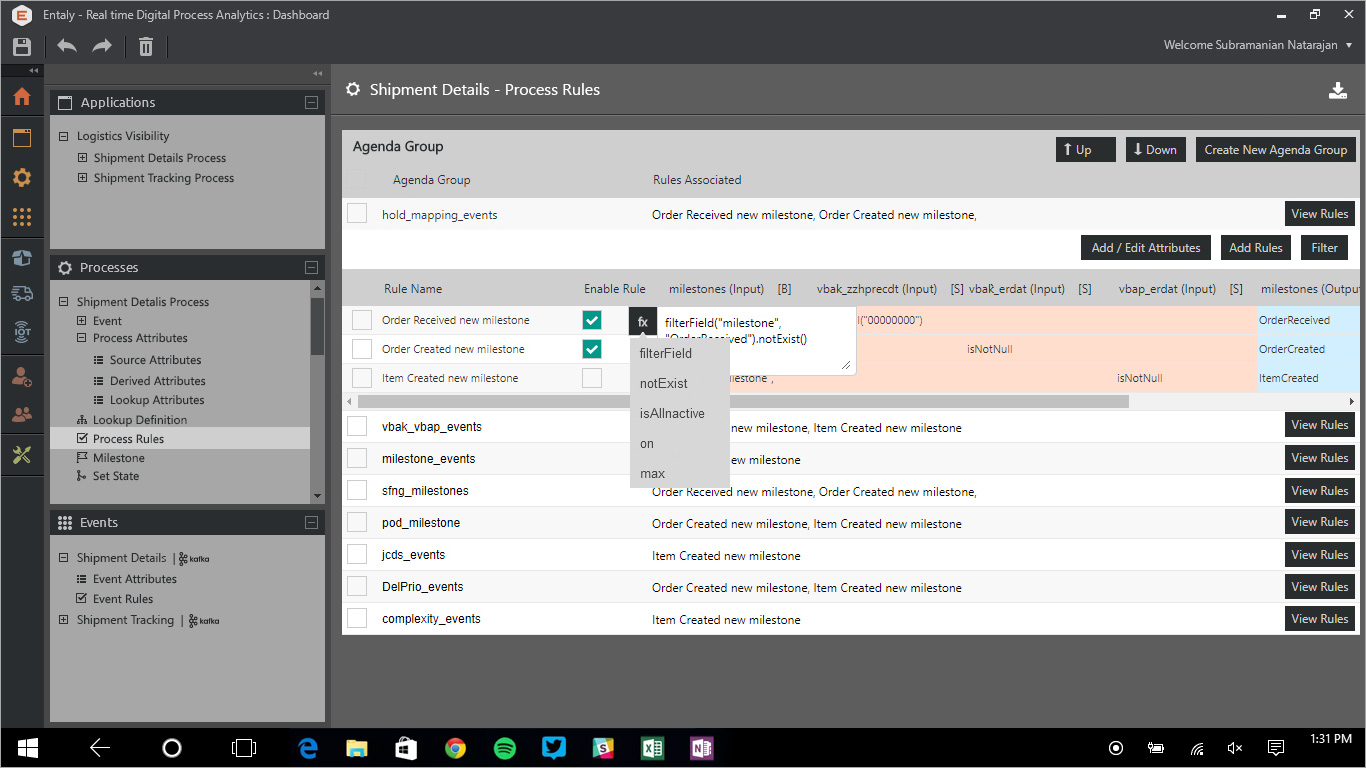
This project outlines the development of a robust, desktop-based thick client application designed specifically for electronics vendors. The system will manage high-volume online orders while simultaneously performing real-time digital process analysis. By leveraging a thick client architecture, the application utilizes local machine power to process complex analytical datasets instantly. This ensures high-performance order routing, reliable offline capabilities, and a highly responsive user interface without the latency of continuous server rendering.
Core Objectives
Real-Time Process Visibility: Identify bottlenecks in the order-to-shipment pipeline as they happen.
High-Performance Local Processing: Utilize the vendor’s local hardware to render heavy data visualizations and process complex order logic rapidly.
Seamless E-commerce Integration: Connect with online storefronts to pull order data, update electronics inventory, and manage SKUs instantly.
Optimized Task Flows: Provide an intuitive, low-friction environment tailored for warehouse managers and fulfillment staff.
Design
Strategy
Client
Problem Statement
Electronics vendors operating in the online e-commerce space manage high-volume, complex orders characterized by rapidly fluctuating inventory, diverse SKUs, and strict delivery timelines. Currently, many fulfillment teams rely on fragmented, web-based applications or legacy web portals to process these orders and track inventory.
The Core Challenges These existing web-centric models present several critical friction points for warehouse managers and procurement staff:
-
System Latency & Performance Bottlenecks: Continuous server requests for heavy data visualizations and complex order routing create UI lag. This latency significantly slows down the speed at which users can process bulk electronics orders.
-
Process Blind Spots: Current systems lack real-time, granular visibility into the fulfillment pipeline. Bottlenecks—such as a delayed quality check on fragile components or a stockout on a high-demand SKU—are often identified only after the delivery window has been compromised.
-
Dependency on Continuous Connectivity: Warehouse environments frequently suffer from unstable internet connections. When network drops occur, cloud-dependent web applications halt entirely, paralyzing the order fulfillment process and causing severe data sync issues.
-
High Cognitive Load: Staff are forced to navigate multiple disjointed screens to piece together order statuses, inventory levels, and shipping analytics, leading to inefficient task flows and an increased risk of manual errors.
A High-Performance, User-Centric Thick Client Application
The Core Concept To resolve the latency, connectivity, and usability issues inherent in legacy web portals, the solution is the development of a robust, locally installed desktop application (thick client). By shifting the processing load from a remote server to the vendor’s local hardware, this application delivers lightning-fast performance, uninterrupted offline capabilities, and a highly optimized interface tailored specifically for the rigorous demands of electronics fulfillment.
Key Pillars of the Solution
Zero-Latency Interface & Local Processing: By leveraging the computational power of the user’s local machine, the application instantly renders heavy data visualizations and processes complex, bulk electronics orders without the UI lag associated with continuous server requests. This ensures that warehouse staff can work at maximum speed.
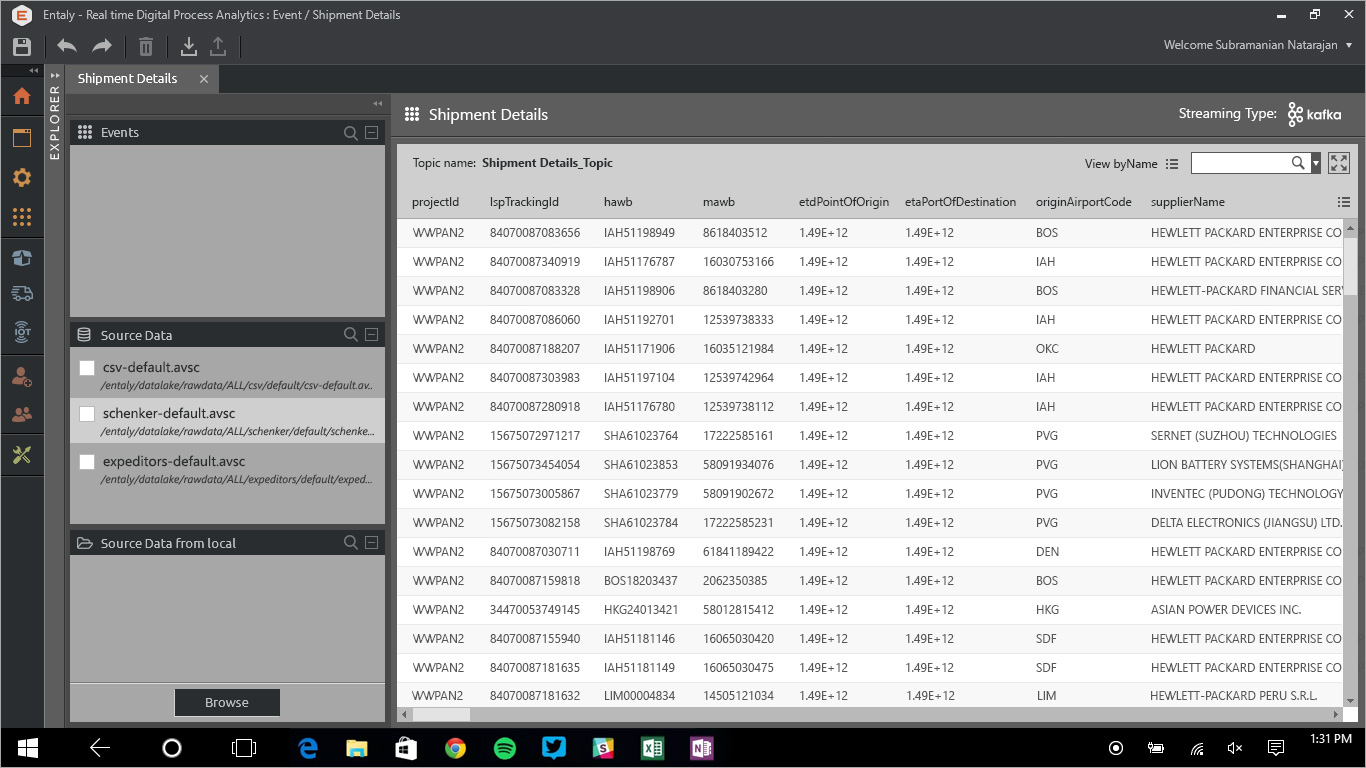
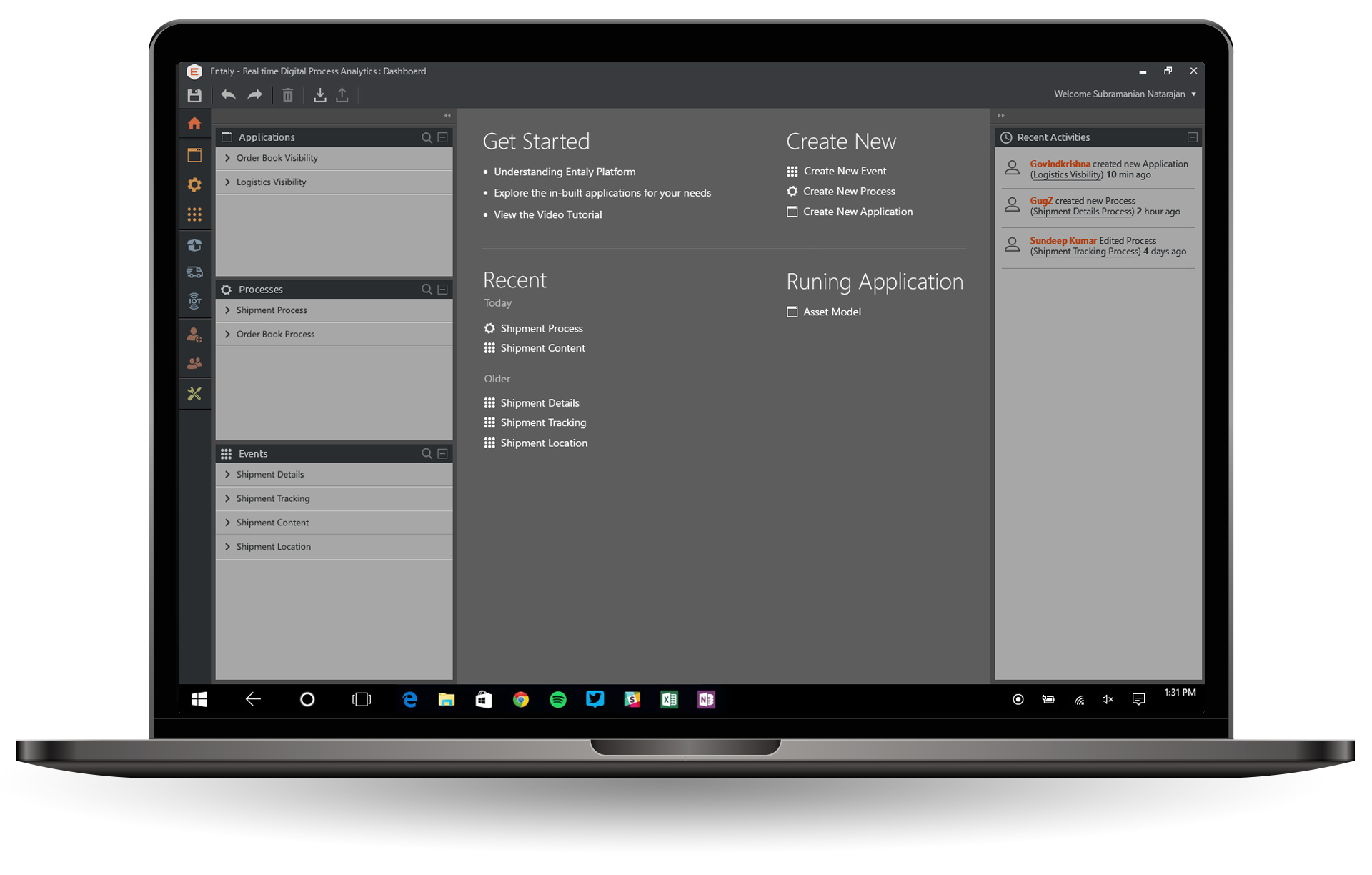
Real-Time Process Visualization Dashboard: A centralized, streamlined workspace designed with a clear visual hierarchy to instantly highlight fulfillment bottlenecks. Through dynamic data visualization, the system automatically flags delayed shipments, component stockouts, or quality-check hold-ups, allowing managers to pivot proactively rather than reacting to missed deadlines.
Resilient, Offline-First UX: The application is designed to handle network instability gracefully. We will implement seamless offline task flows, allowing users to continue scanning, packing, and processing orders during connectivity drops. The system will cache this data locally and automatically sync in the background once the connection is restored, eliminating data loss and operational paralysis.
Optimized Information Architecture & Reduced Cognitive Load: Moving away from fragmented web pages, the thick client consolidates critical data into customizable, role-based views. By minimizing screen switching and simplifying complex navigation paths, the design drastically reduces the cognitive load on users, streamlining repetitive tasks and minimizing the risk of manual entry errors.
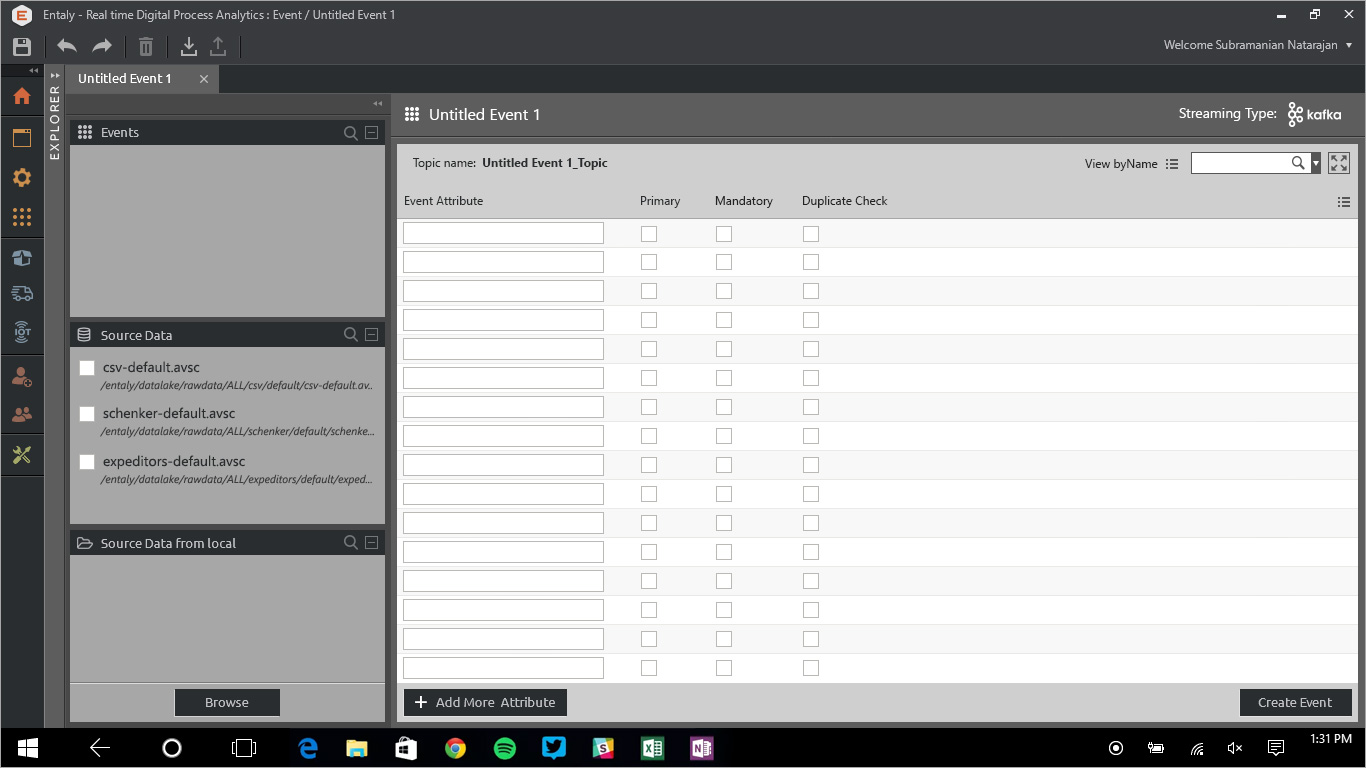
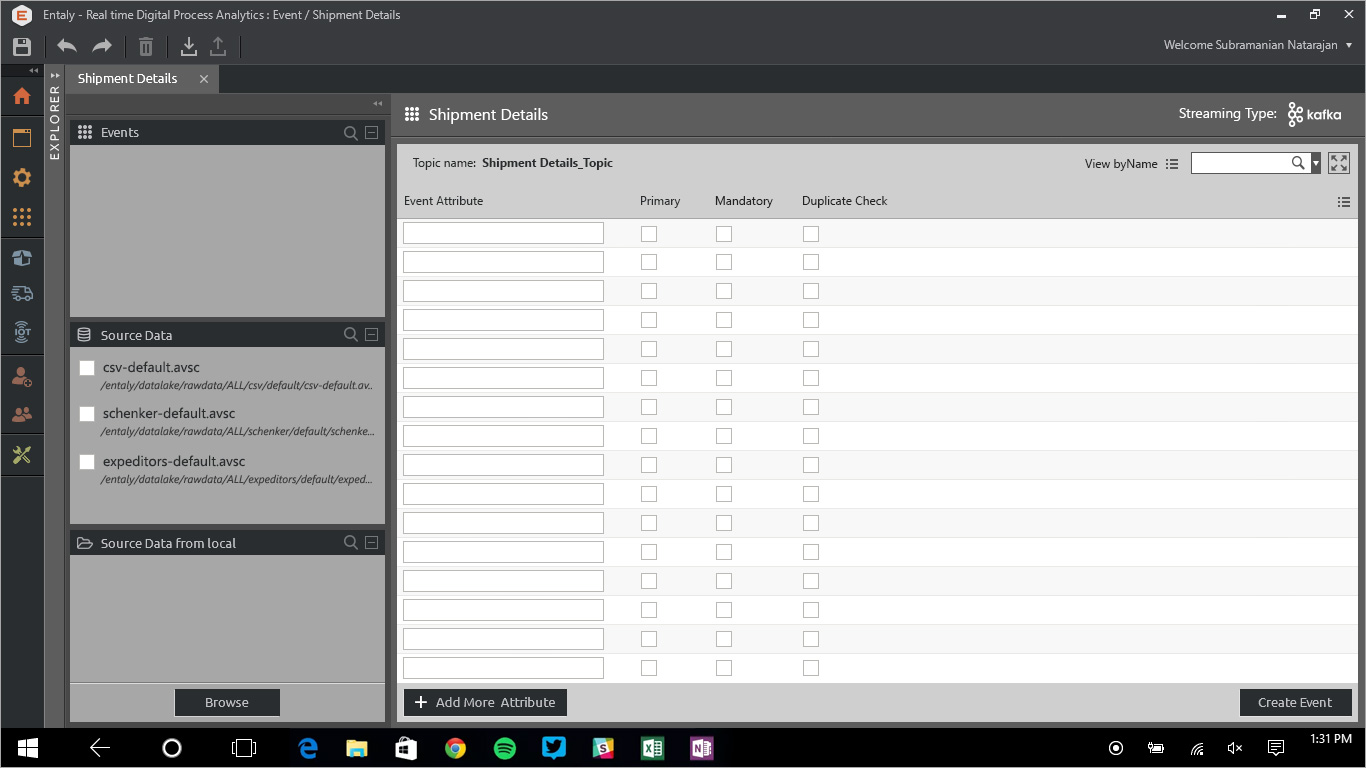
Rapid Prototyping & Validation: Before writing a single line of code, the complex interactions unique to a thick-client environment will be mapped out and validated using high-fidelity prototypes in Figma. This allows for rigorous usability testing with actual procurement and warehouse staff to ensure the design perfectly aligns with their operational realities.
The Users and the Industry
Deep Understanding: The Users and the Industry
The Industry Context: Electronics E-Commerce Fulfillment The online electronics vendor space is characterized by high velocity, razor-thin margins for error, and intense customer expectations for rapid delivery. Unlike general retail, electronics fulfillment presents unique systemic challenges:
Complex SKU Architecture: Inventory involves intricate hierarchies, including base models, modular components, and strict serial number tracking for warranty and anti-fraud purposes.
High-Value & Fragile Goods: The physical handling of items requires specific quality assurance (QA) steps that must be seamlessly mirrored in the digital workflow without slowing down the process.
Volatile Supply Chains: Component shortages and sudden spikes in demand require real-time agility in procurement and order routing. The software must accommodate rapid pivots rather than rigid, linear workflows.
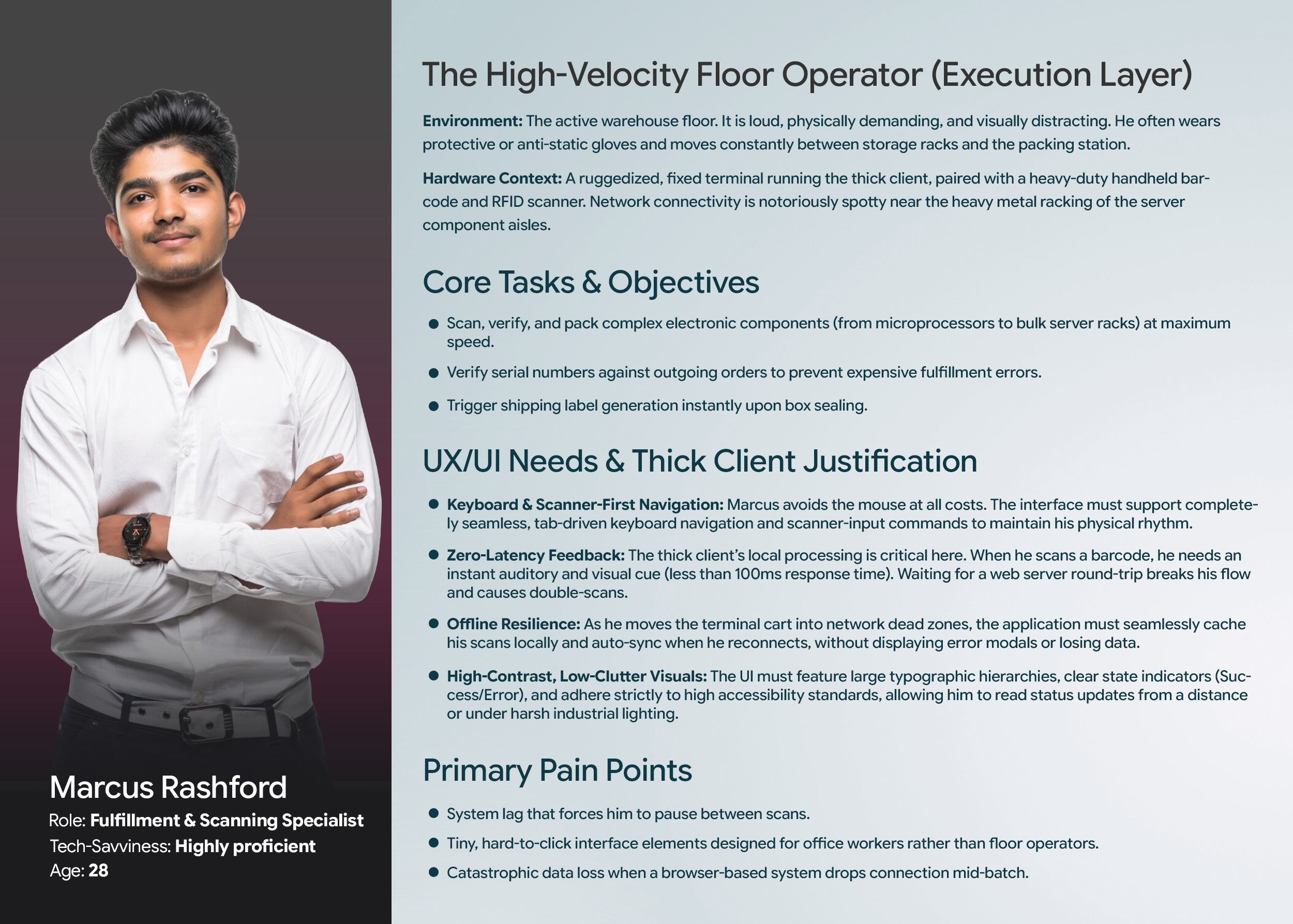
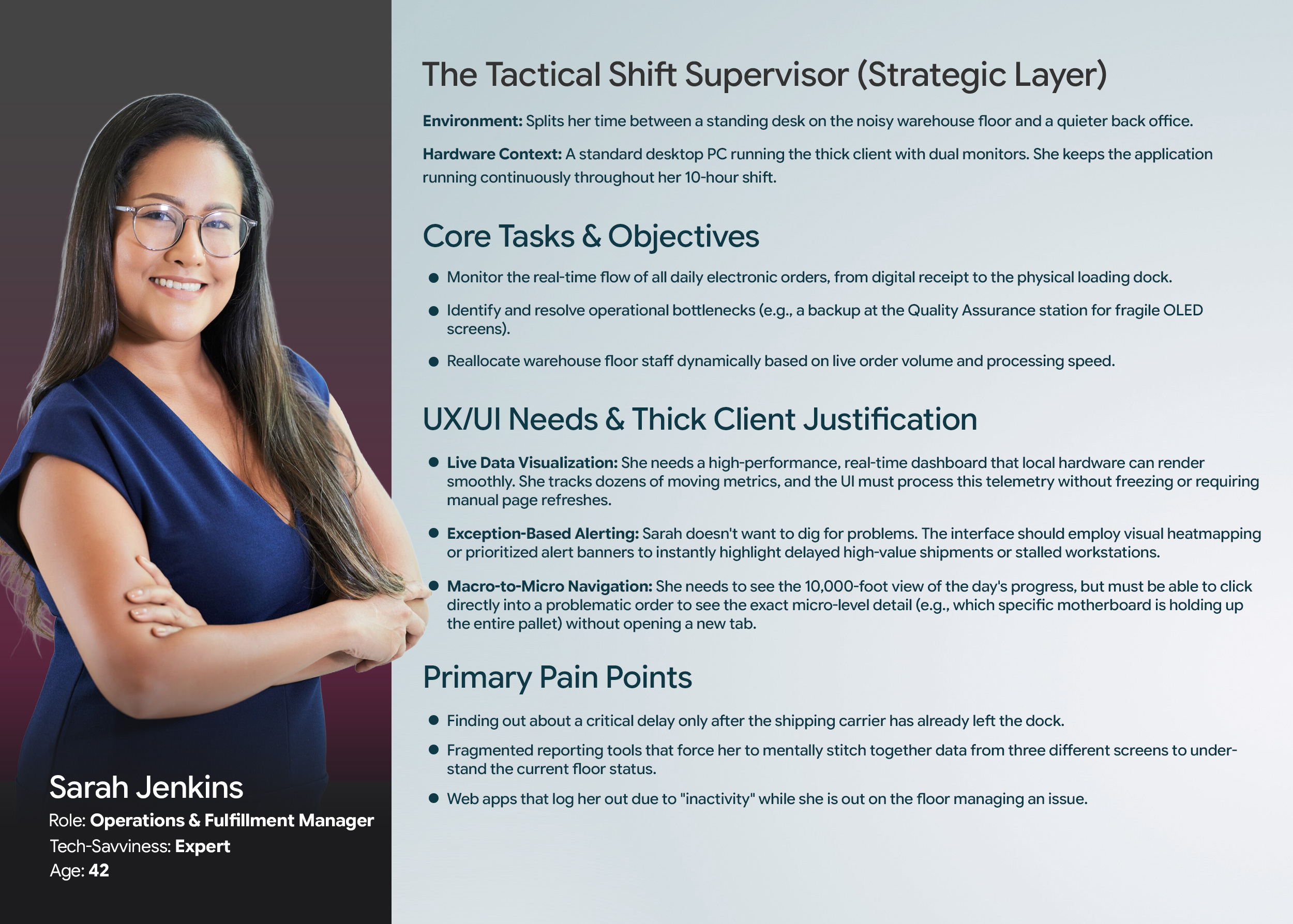
Personas
& User Journey Maps
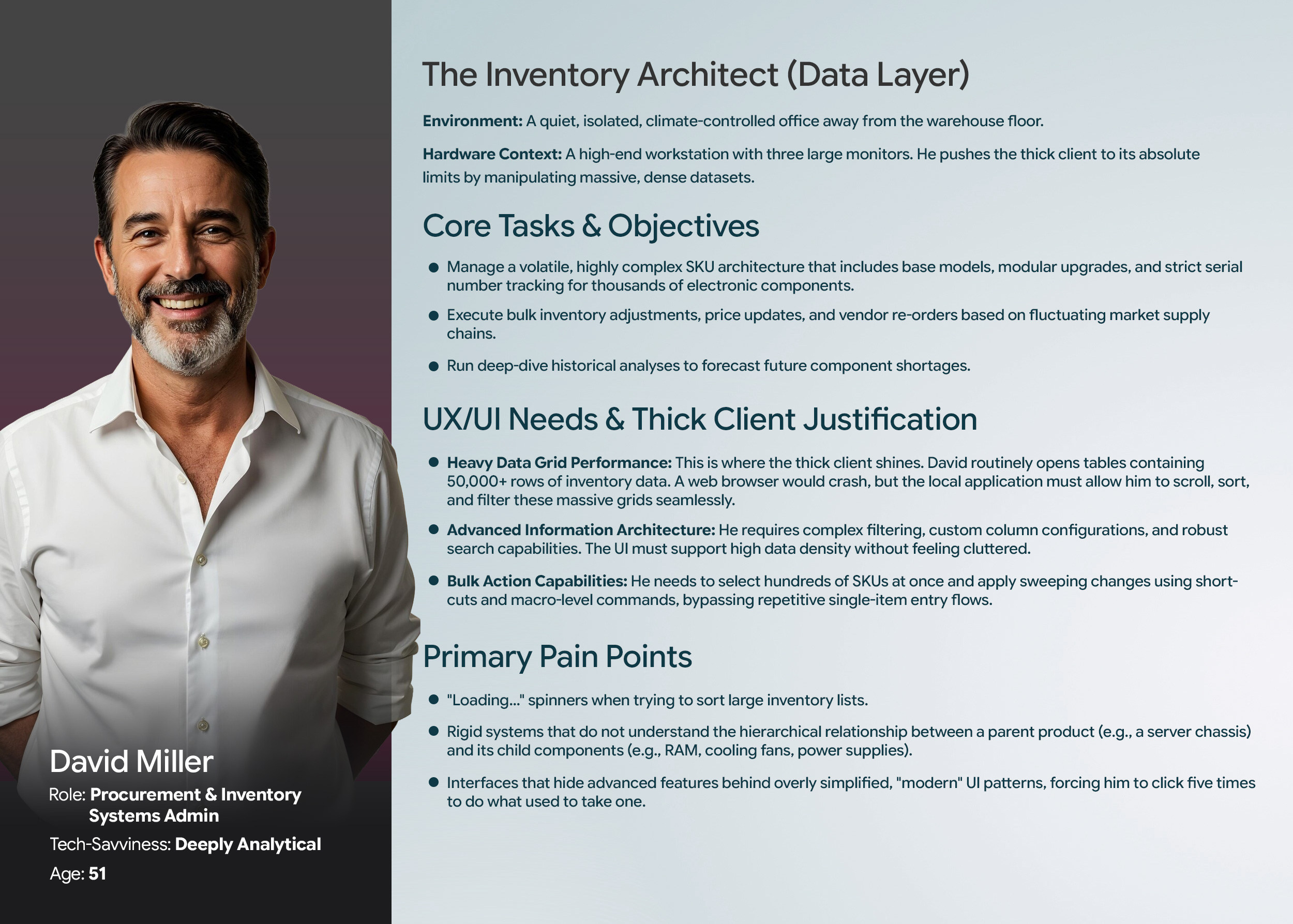
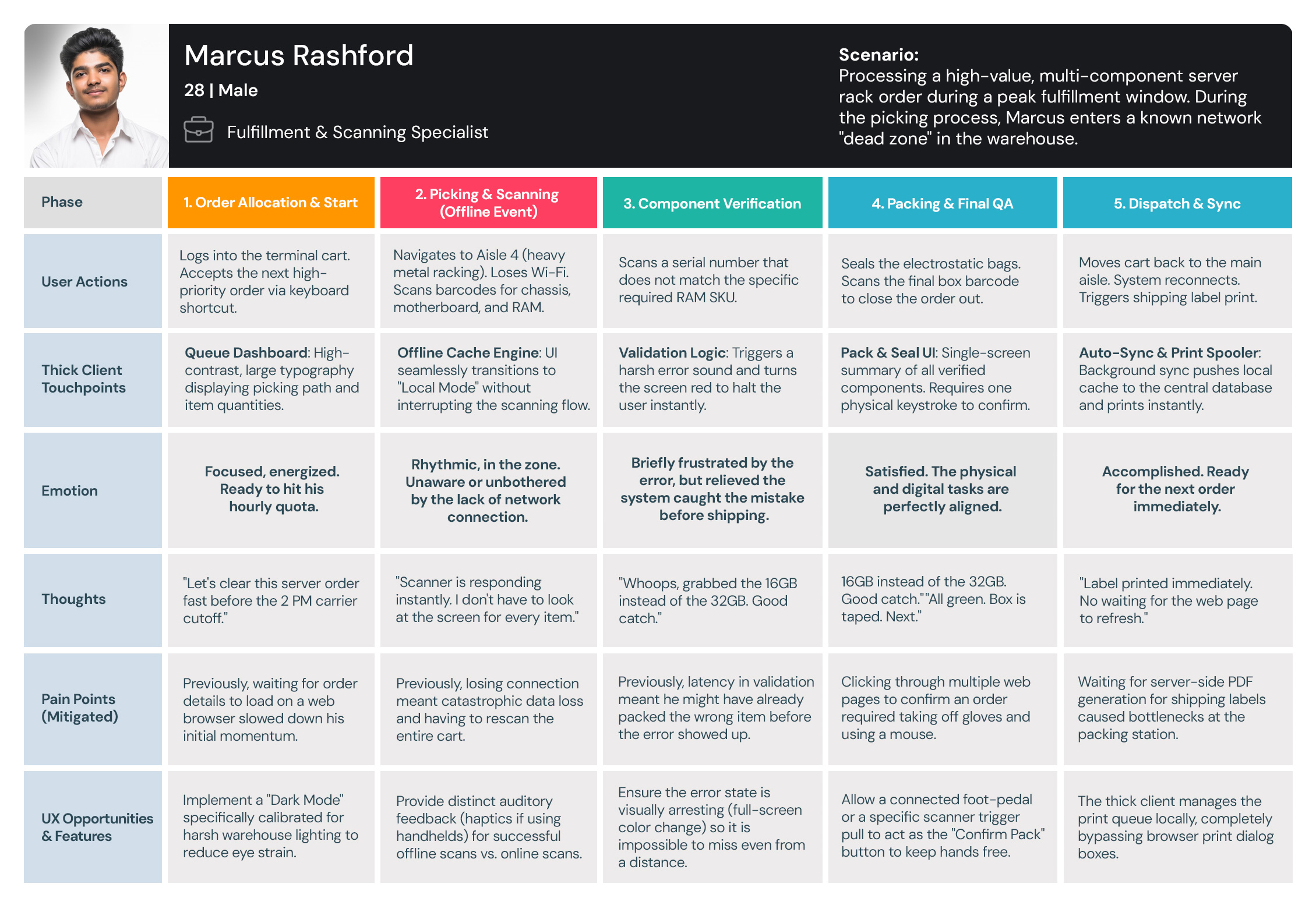
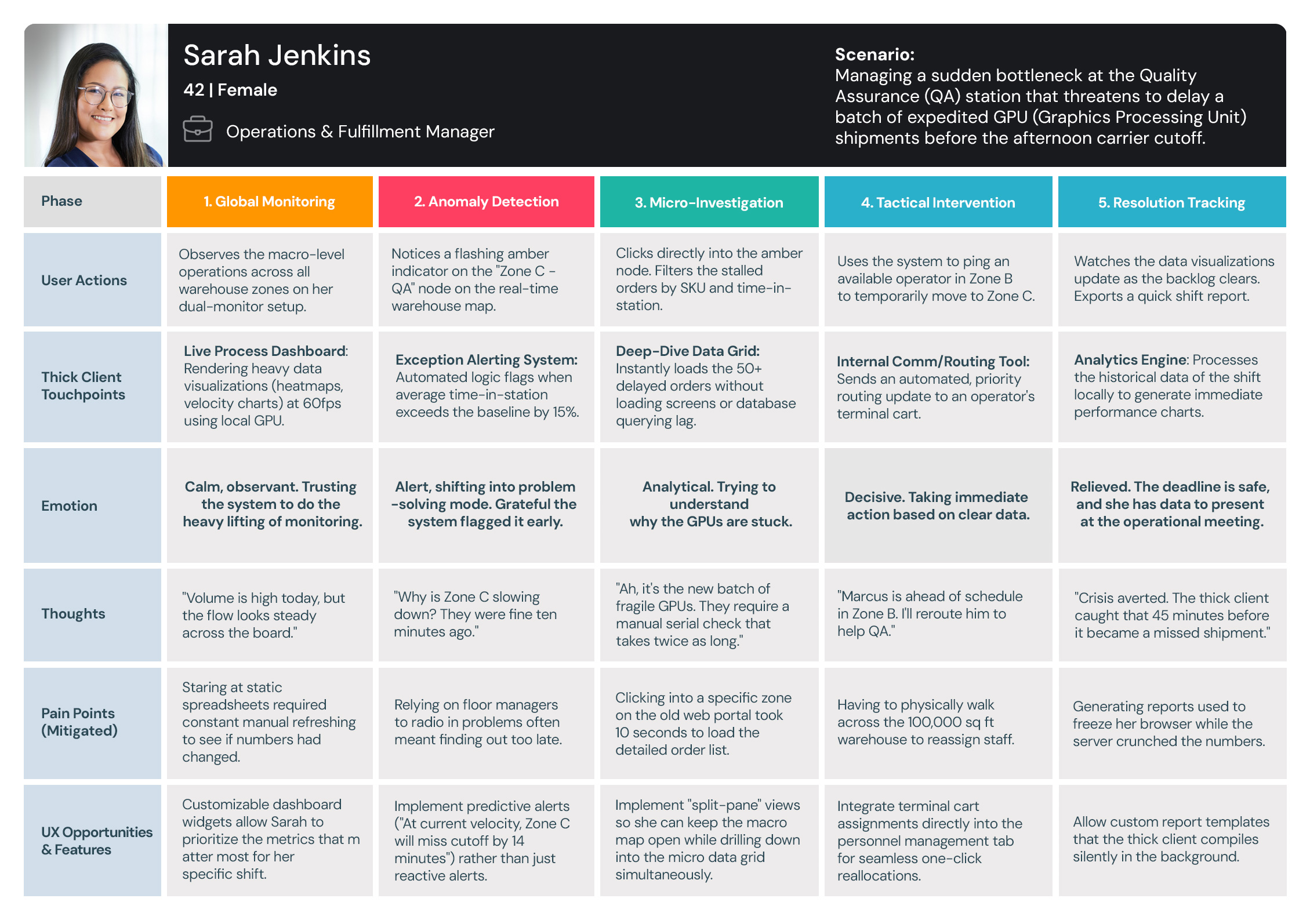
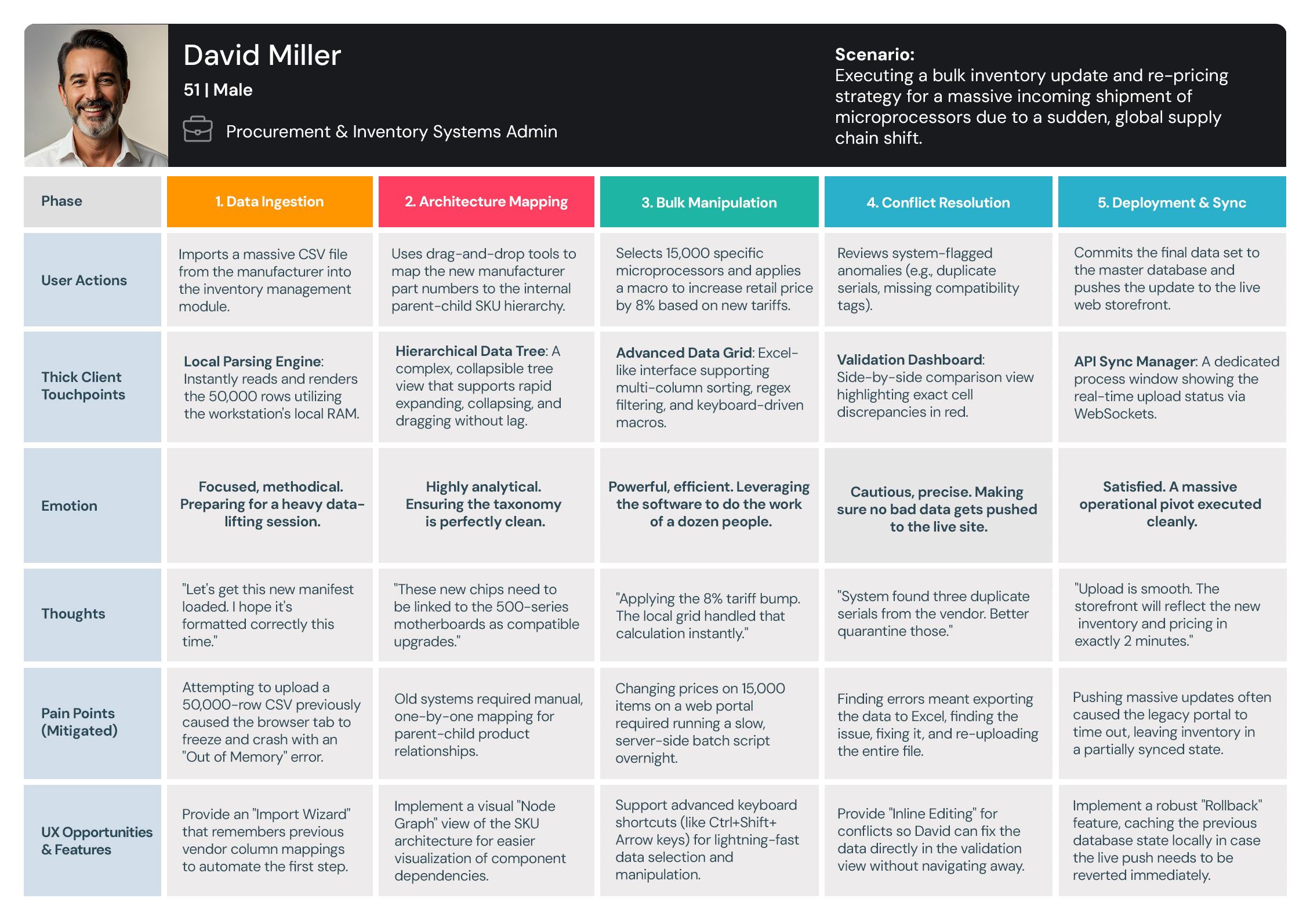
My interviews with the Business Users and Callers provided critical, detailed information. This foundation allowed me to successfully create the resulting personas and journey maps.
Personas
User Journey Maps
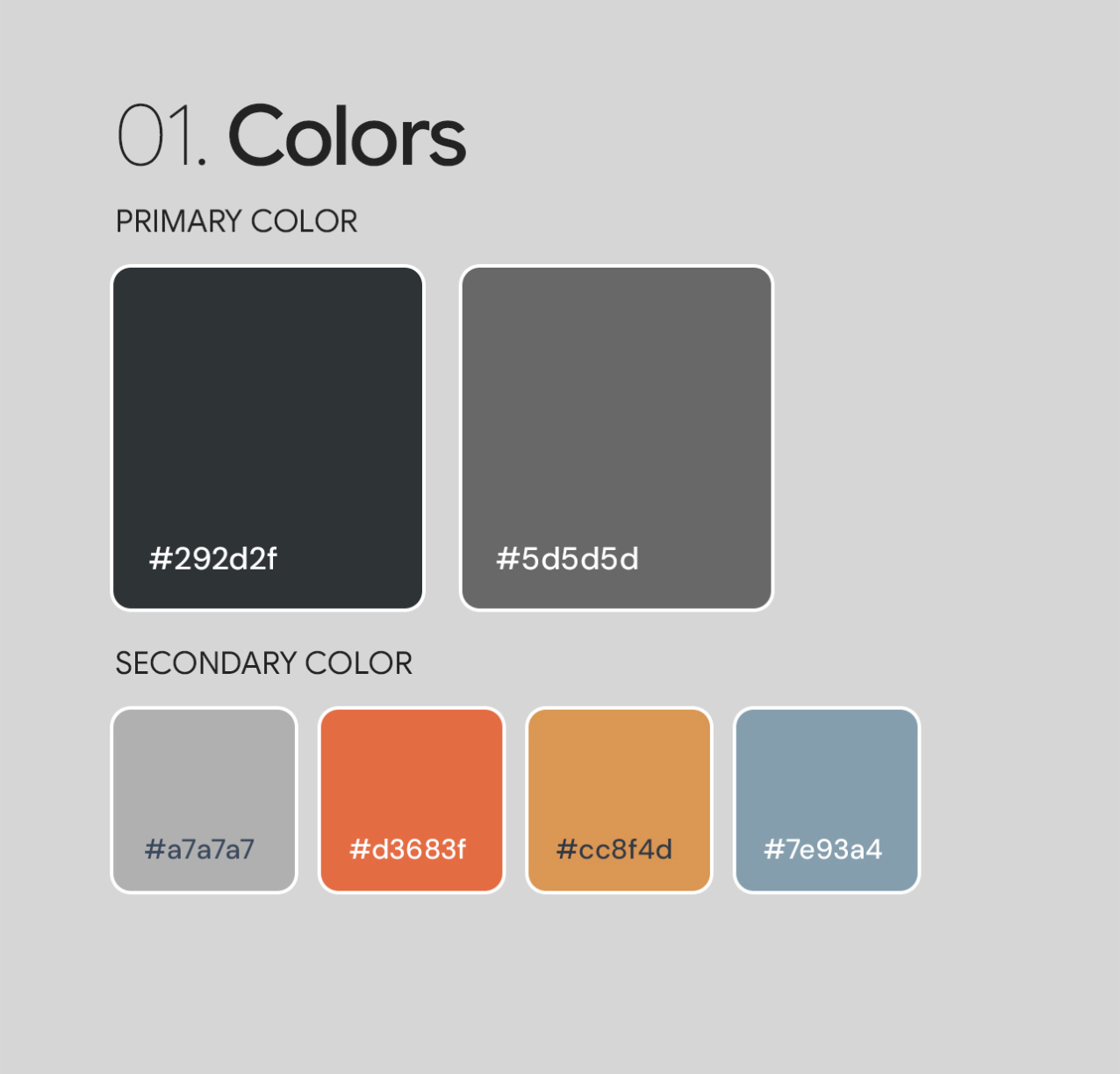
Style Guide