Get In Touch
10/A, Indira Gandhi Street, Sengeniammal Nagar,
Orlean Pet, Pondicherry – 605005. (INDIA)
Work Inquiries
venki@venkidesigns.com
Ph: +91.994.440.0361
STRATEGY | UI/UX | WEB APP

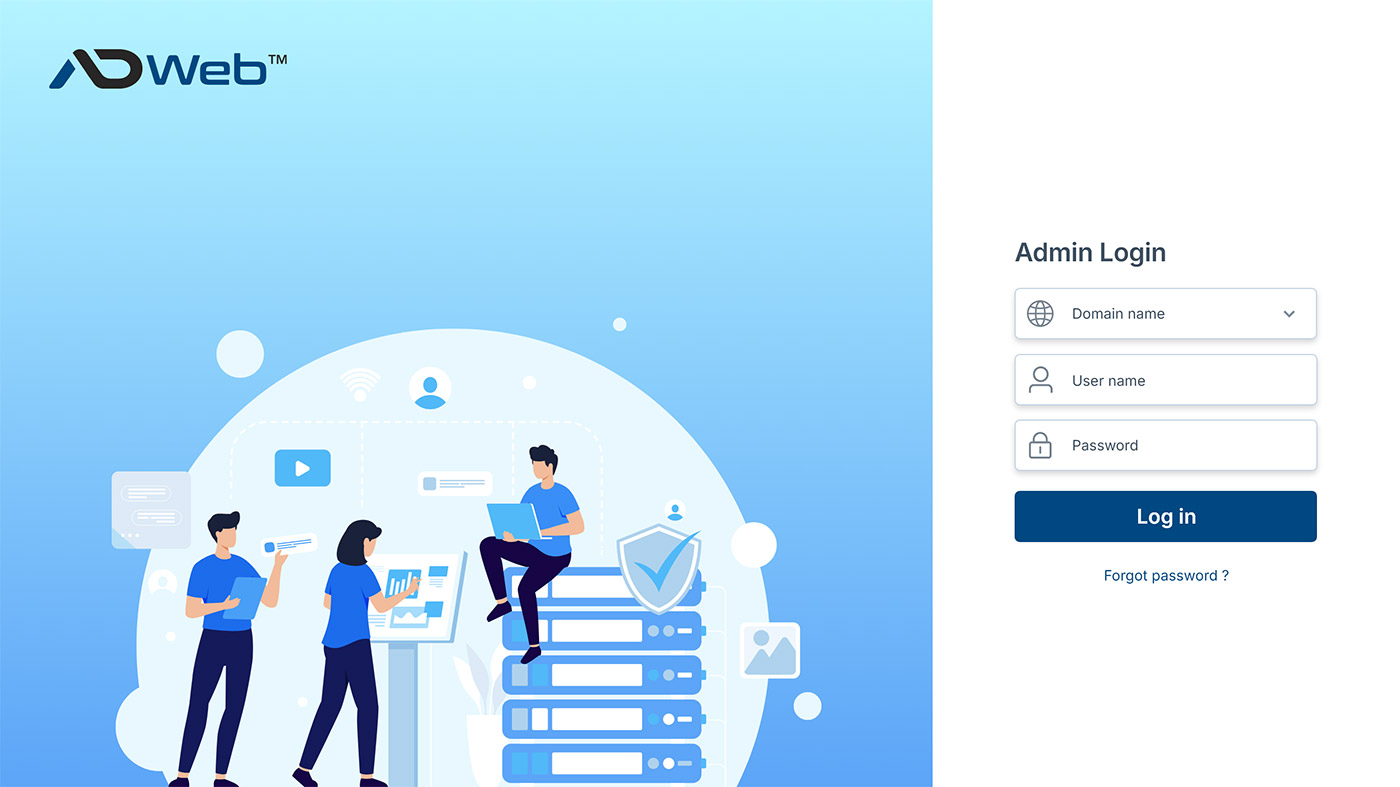
Active Directory Management

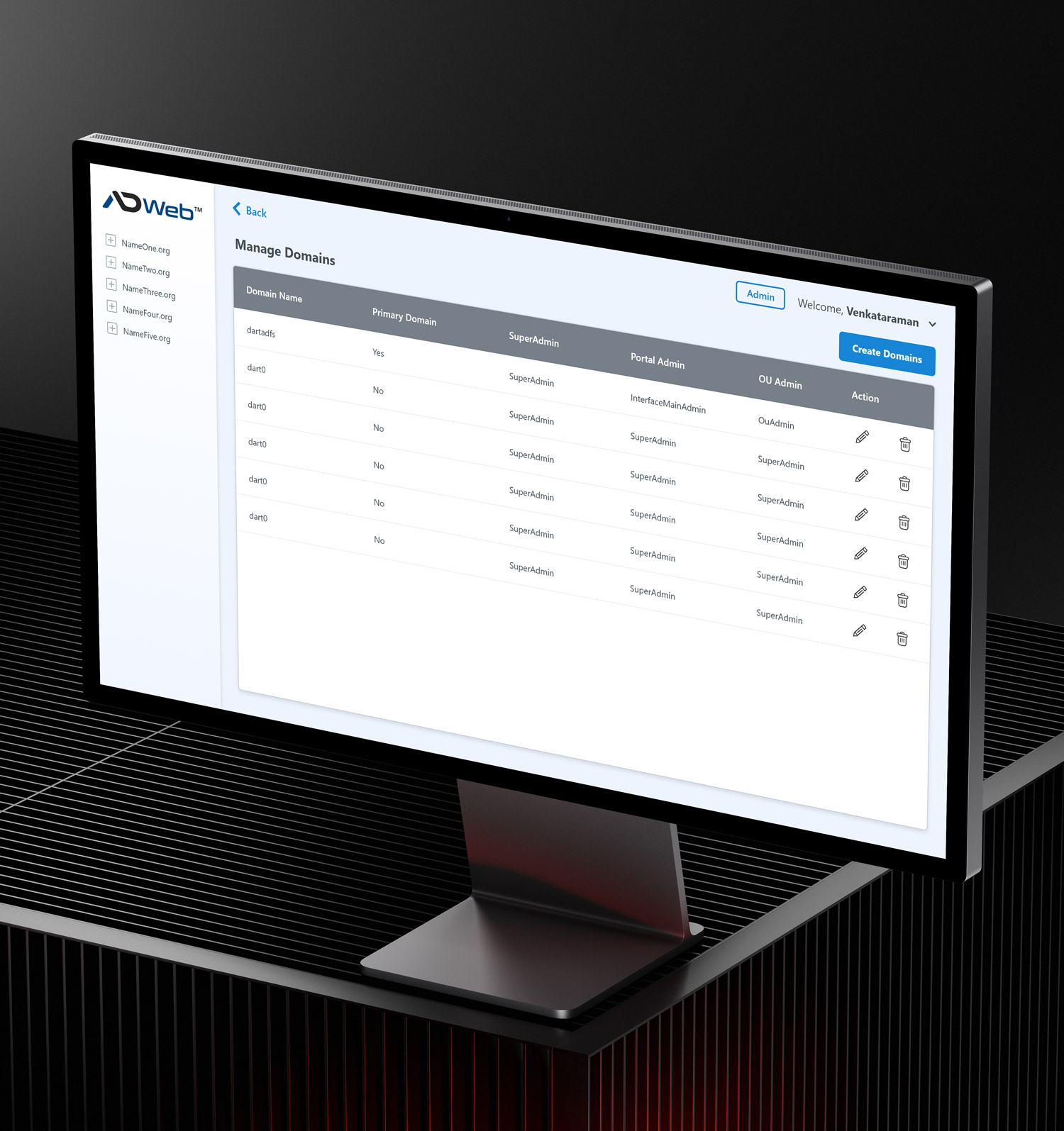
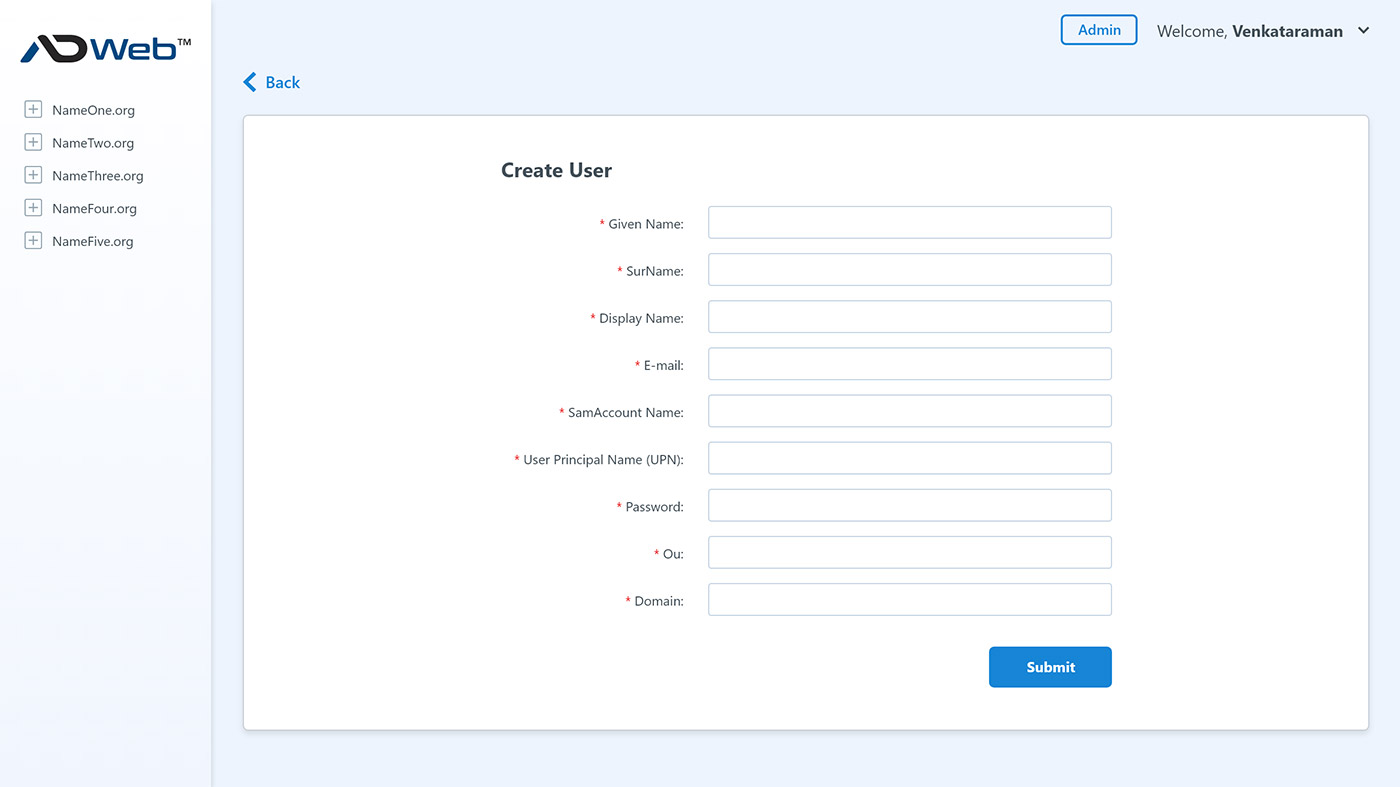
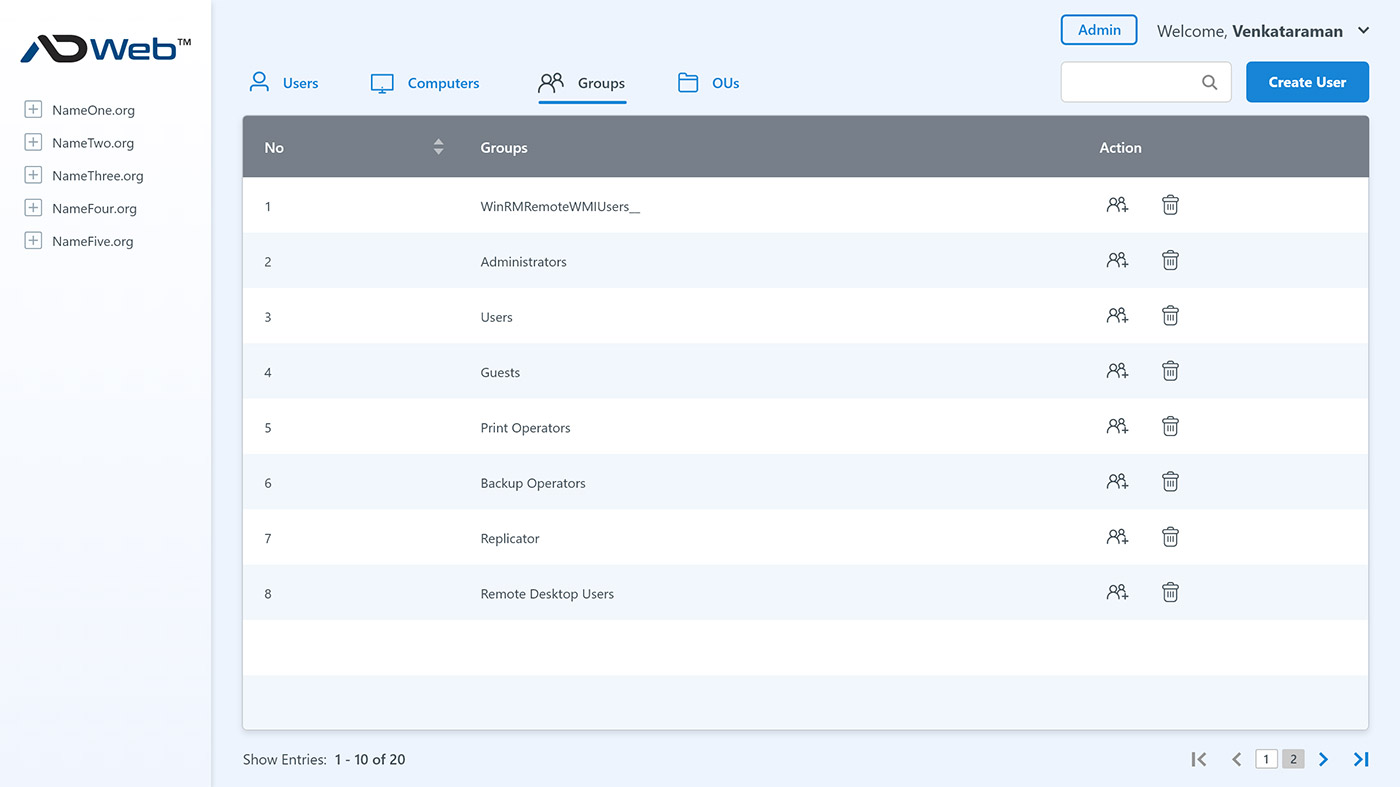
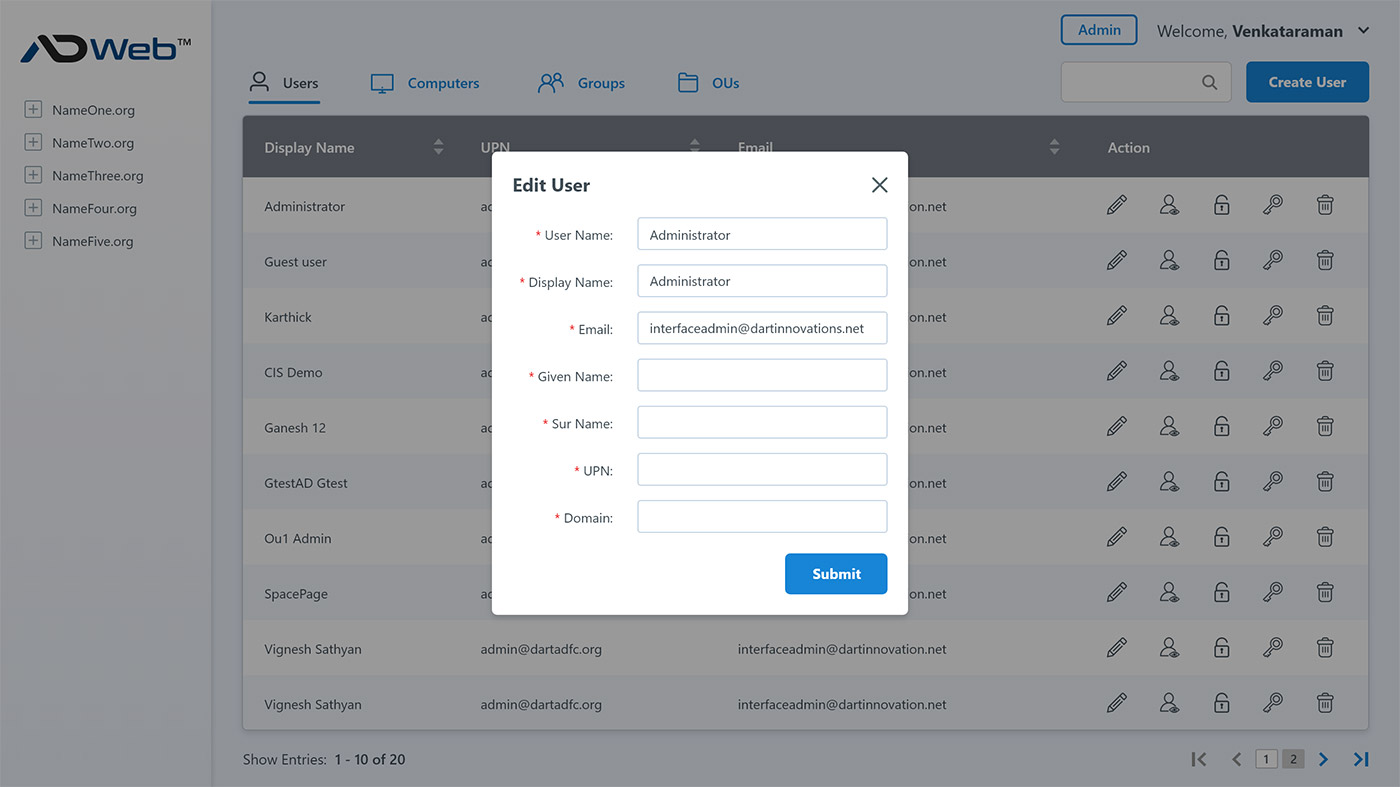
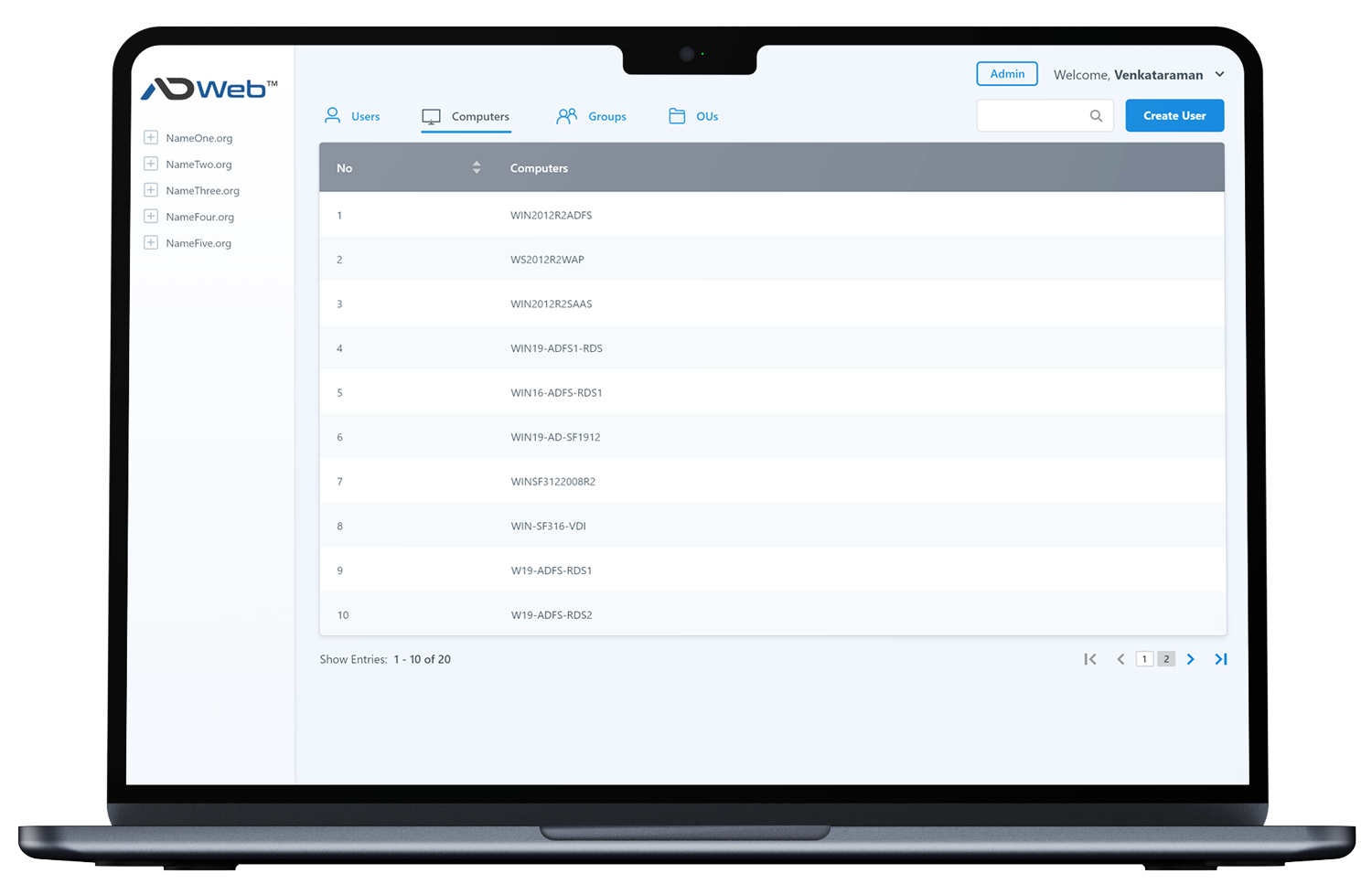
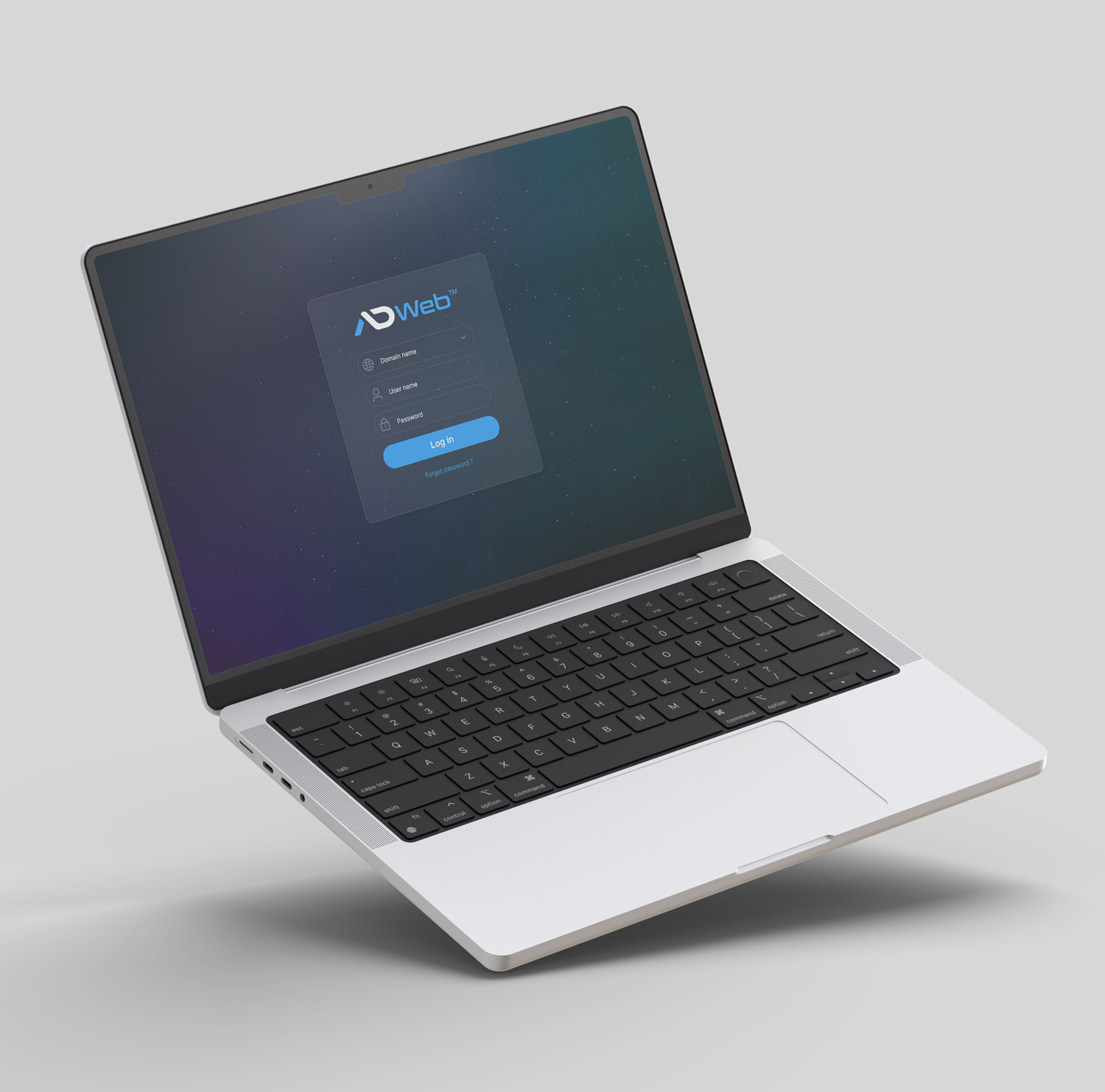
A web based Active Directory Management tool that let’s your administrator manage all Active Directory tasks such as User creation, Manage groups, Manage OUs, Password Reset, Unlock users, enable/disable and more using a Web based interface. You can simply schedule password expiry notification for both expiring and expired passwords with customizable email templates. You can add and manage multiple AD domains. Role based access such as Super Admin, Domain Admin and OU Admin. AD Web can be installed and configured quickly within few minutes.

ad-web-04

Project Overview

This project focuses on the structured implementation, management, and optimization of Microsoft Active Directory (AD) within the organization’s IT infrastructure. Active Directory Management serves as the centralized control center for network resources, user identities, computer accounts, and security policies. The primary goal of this initiative is to replace manual, ad-hoc administration with a standardized, automated, and secure management framework.

Core Objectives

  • Centralized Identity Control: Establish a single point of administration to create, modify, and secure user accounts, groups, and device credentials.
  • Security & Compliance: Enforce strict password protocols, multi-factor authentication (MFA), and role-based access to prevent unauthorized access and align with regulatory standards such as GDPR or ISO 27001.
  • Operational Efficiency: Automate routine tasks such as user onboarding, offboarding, and password resets to reduce human error and free up IT workload.
  • Structural Optimization: Organize network resources logically through thoughtfully designed Domains and Organizational Units (OUs) to simplify long-term management.
ad-web-05

Problem Statement

While Microsoft Active Directory (AD) serves as the foundational identity and access management infrastructure for the organization, the absence of a standardized, automated management framework has introduced critical vulnerabilities. Over time, ad-hoc administrative practices, decentralized control, and manual provisioning have degraded the directory’s integrity. This unstructured approach to AD management currently exposes the organization to significant security risks, compliance failures, and severe operational inefficiencies.

Security Vulnerabilities & Identity Risks

An unmanaged or poorly maintained Active Directory environment is a primary target for internal and external cyber threats. The current lack of strict oversight has led to several critical security gaps:

  • Orphaned Accounts: Delayed or incomplete offboarding processes leave active credentials for former employees, creating unmonitored backdoors into the corporate network.
  • Privilege Creep: As employees change roles over time, they often retain old access rights while acquiring new ones. This accumulation violates the Principle of Least Privilege and expands the potential blast radius if an account is compromised.
  • Stale Administrative Access: Excessive numbers of users and service accounts possess Domain Admin or elevated privileges, drastically increasing the risk of widespread systemic compromise via credential theft or ransomware.
ad-web-06
THE SOLUTION

Active Directory directly with the organization’s Human Resources Information System (HRIS)

To resolve the critical security vulnerabilities, operational bottlenecks, and structural degradation identified within the current IT environment, the organization must deploy a comprehensive, automated Active Directory (AD) Management framework. This solution shifts directory administration from a reactive, manual burden to a proactive, secure, and highly efficient identity engine. The remediation strategy is divided into four core pillars: Automation, Security Hardening, Structural Re-architecture, and Continuous Compliance.

1. Automated Identity Lifecycle Management

Eliminating manual provisioning is the primary solution to high-friction operations and orphaned accounts. By integrating Active Directory directly with the organization’s Human Resources Information System (HRIS), we will establish a “Zero-Touch” identity lifecycle.

  • Automated Provisioning: When a new employee is logged in the HR system, AD will automatically generate their user account, assign standardized naming conventions, allocate a mailbox, and place them in the correct Organizational Unit (OU) based on their department.

  • Instant Deprovisioning: Upon an employee’s termination or resignation, automated workflows will immediately disable the account, revoke group memberships, and block remote access, entirely closing the security window left by delayed manual offboarding.

  • Dynamic Role Updates: When an employee transfers departments, the automated system will dynamically strip their previous access rights and apply the new required permissions, effectively eliminating privilege creep.

2. Security Hardening and Access Control

To mitigate the risk of credential theft, ransomware, and insider threats, the solution requires a total overhaul of administrative access and authentication protocols.

  • Role-Based Access Control (RBAC): Access to network resources will be strictly tied to job roles rather than individuals. Users will automatically receive the exact permissions required for their position—no more, no less—enforcing the Principle of Least Privilege.

  • Tiered Administration Model: To protect the highest value assets, administrative accounts will be separated into distinct tiers. Domain Admins (Tier 0) will be restricted from logging into standard workstations, preventing advanced adversaries from harvesting highly privileged credentials from compromised lower-level machines.

  • Delegated Administration: Granular, specialized portals will be deployed so that Helpdesk staff and HR managers can perform specific tasks (like updating phone numbers or resetting passwords) without requiring elevated Domain Admin rights.

  • Privileged Access Management (PAM): Service accounts and administrative passwords will be rotated automatically and checked out only when needed for specific, time-bound tasks.

3. Structural Re-architecture and Cleanup

A resilient directory requires a logical, streamlined backend architecture to ensure reliable performance and predictable policy enforcement.

  • OU Standardization: The current “spaghetti architecture” will be redesigned into a clean, hierarchical structure that mirrors the business’s functional layout, separated by physical location and department. This ensures that security policies target the exact intended devices and users.

  • GPO Rationalization: A comprehensive audit of all Group Policy Objects (GPOs) will be conducted. Conflicting, legacy, and overlapping policies will be consolidated or deleted. This will dramatically improve network performance, reduce user login times, and ensure consistent endpoint security across the organization.

  • Stale Object Eradication: Automated scripts will continuously scan the directory to identify and quarantine computer and user accounts that have been inactive for over 90 days, keeping the database clean and reducing the attack surface.

4. Operational Self-Service and Auditing

To reduce the burden on IT staff while ensuring strict regulatory compliance, the solution integrates self-service tools and real-time monitoring capabilities.

  • Self-Service Password Reset (SSPR): End-users will be empowered to securely unlock their accounts and reset their passwords using Multi-Factor Authentication (MFA) prompts. This will instantly eliminate a large percentage of Tier-1 helpdesk tickets.

  • Real-Time Monitoring and Alerting: Advanced auditing software will be layered over AD to track every modification. Security teams will receive immediate alerts for suspicious activities, such as an unexpected user being added to the Domain Admins group or massive data access anomalies.

  • Automated Compliance Reporting: The system will automatically generate scheduled reports detailing permission changes, active users, and group memberships. This provides immediate, accurate evidence for internal governance and external regulatory audits (e.g., SOX, GDPR, ISO 27001).
DEEP UNDERSTANDING

The Industry

Active Directory (AD) operates at the center of a rapidly evolving Identity and Access Management (IAM) industry. As organizations transition from traditional on-premises networks to decentralized, cloud-driven environments, identity has shifted from a supporting IT function to the primary security perimeter. Understanding the broader industry landscape is critical for contextualizing the need for modernized, automated AD management frameworks.

The Expanding IAM Market Landscape

The global IAM market is experiencing massive growth, driven by the escalating complexity of enterprise digital ecosystems and a continuous rise in cyber threats. The enterprise IAM market size is valued at approximately USD 27.53 billion in 2026 and is projected to reach nearly USD 62 billion by 2031, reflecting a robust compound annual growth rate (CAGR) of over 17%. This surge in investment is directly linked to enterprises modernizing legacy directory services, automating identity governance, and deploying advanced authentication platforms across hybrid IT environments.

The Shift to Hybrid Identity and Zero Trust

The traditional approach of securing a physical corporate network perimeter is obsolete. The industry has firmly embraced Zero Trust architecture, which operates on the principle of “never trust, always verify.”

  • Identity as the Perimeter: With the proliferation of remote work and Bring Your Own Device (BYOD) policies, identity is now the main decision point for access control. Context-aware access control and adaptive authentication are now foundational components of enterprise security strategies..

  • Hybrid Environments: Organizations are rarely entirely on-premises or entirely in the cloud. Managing seamless identity synchronization between legacy Active Directory and cloud identity providers (such as Microsoft Entra ID) is a major industry focus.
  • AI-Driven Governance: Vendor platforms are increasingly integrating Artificial Intelligence (AI) and machine learning to analyze user behavior, detect anomalous access patterns in real-time without explicit programming, and automate the provisioning lifecycle.
I MADE A

Personas & User Journey Maps

My interviews with the Business Users and Users provided critical, detailed information. This foundation allowed me to successfully create the resulting personas and journey maps.

Personas

Personas

Empathy is the foundation of great design. I develop UX Personas to humanize our target audience, allowing us to step into the user’s shoes. Understanding their ‘why’ helps me design interfaces that don’t just look good, but feel relevant and intuitive to the people using them.

Ad-web-Personas-01
Persona 1: The Tactical Implementer
Ad-web-Personas-02
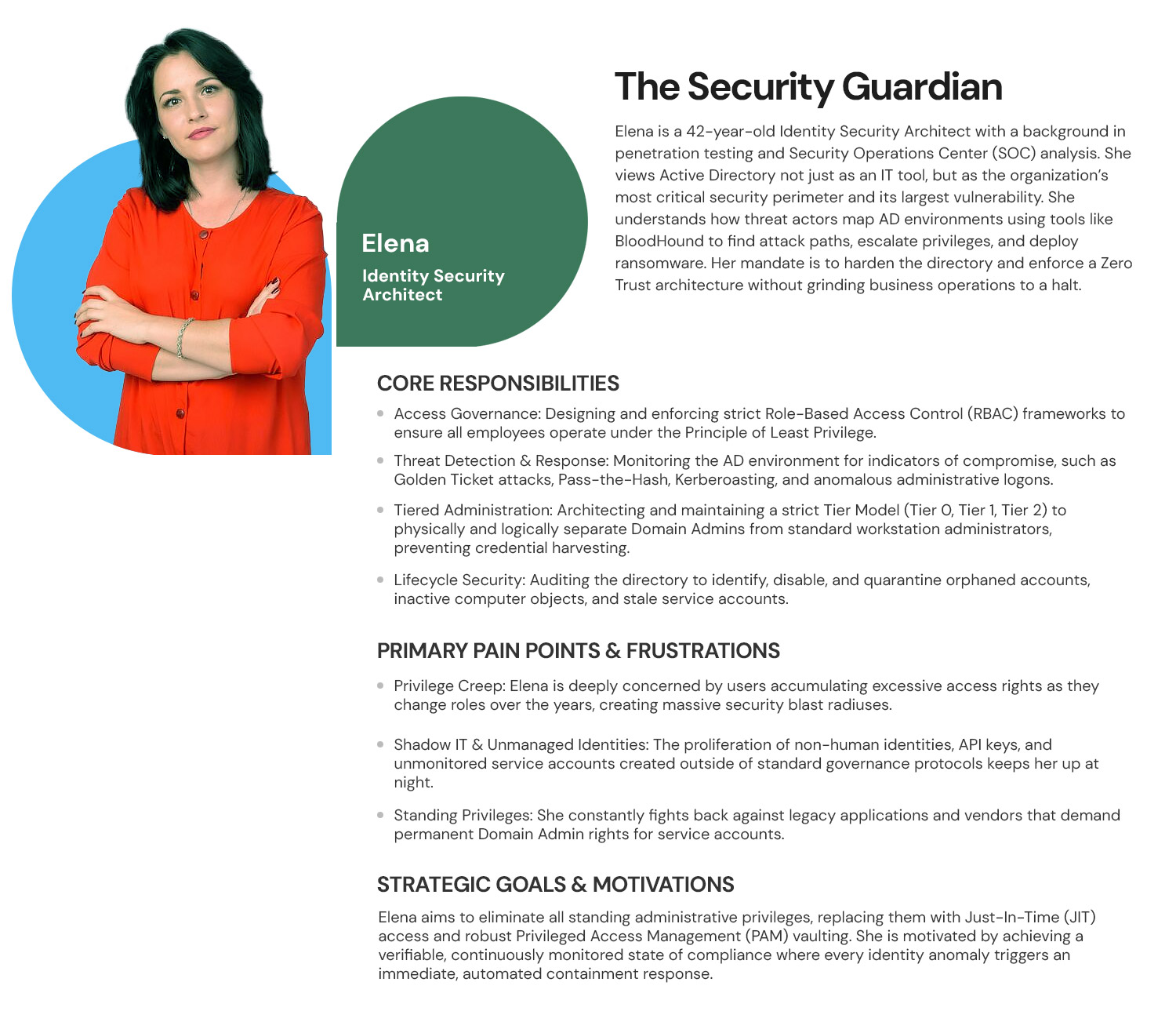
Persona 2: The Security Guardian
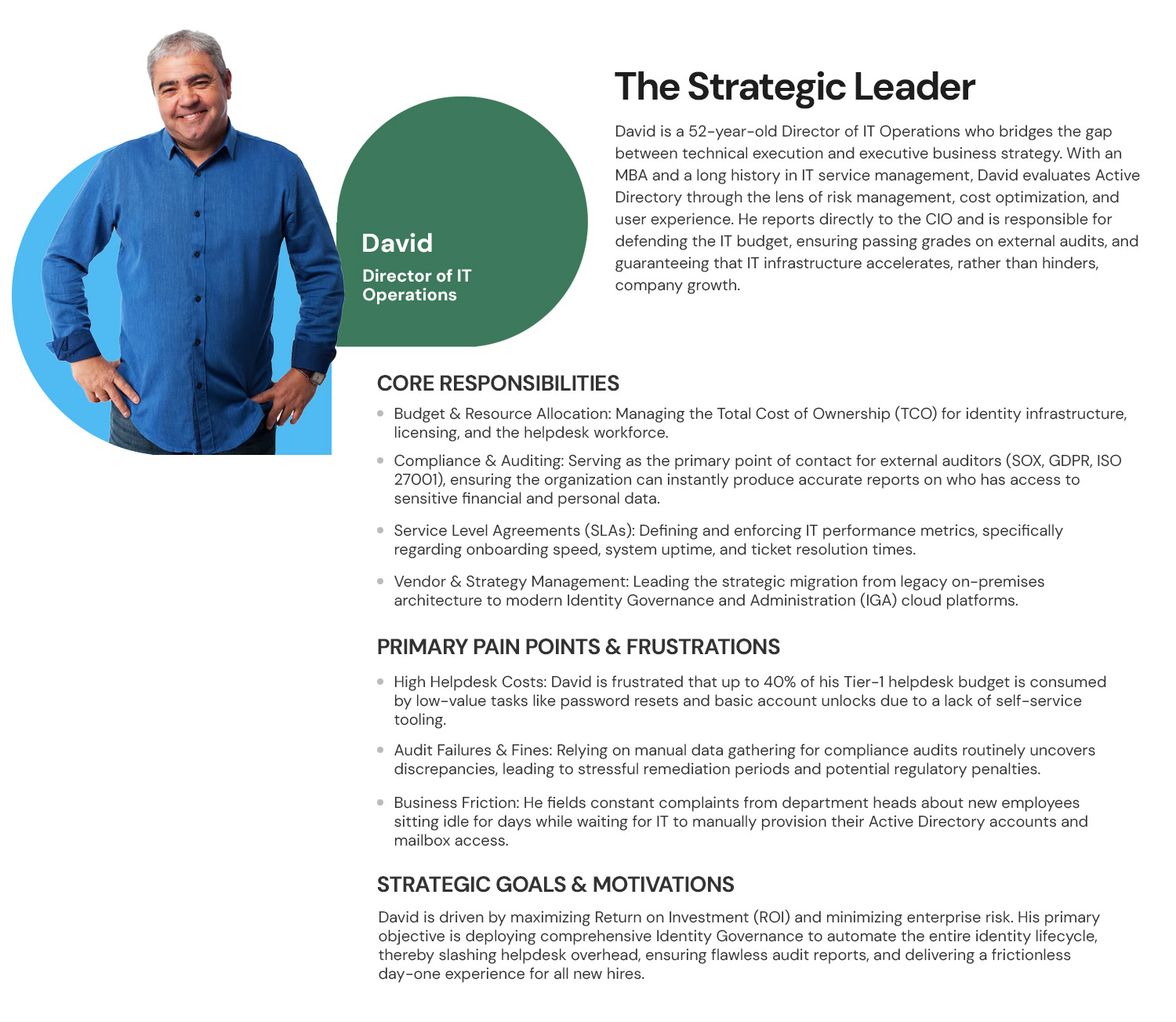
Persona 3: The Strategic Leader
user-journey-maps

User Journey Maps

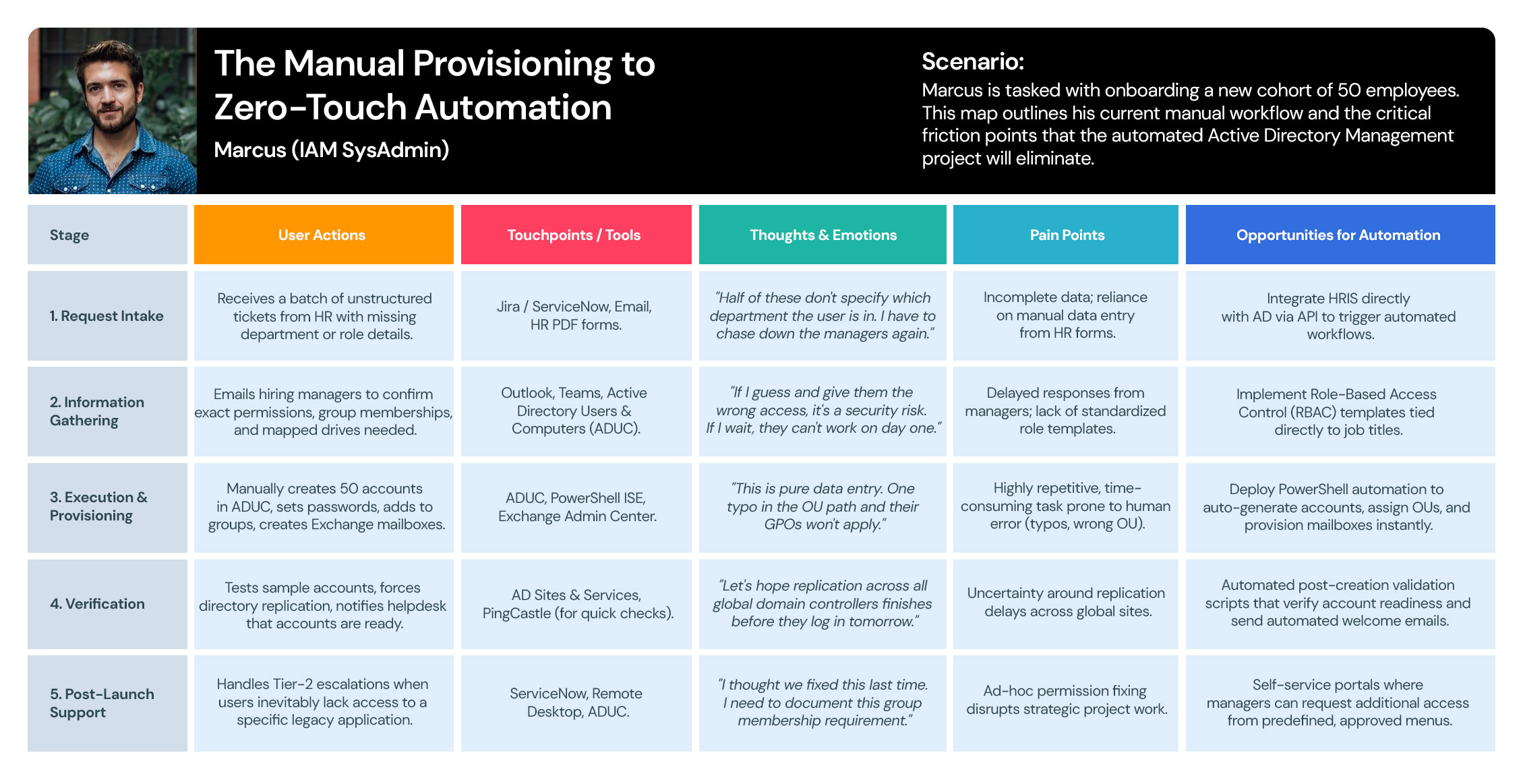
I use User Journey Maps to visualize the end-to-end experience and uncover hidden friction points. By mapping out every touchpoint—from discovery to conversion—I identify where users get frustrated or lose interest. This allows us to turn ‘drop-off points’ into opportunities for engagement.

AD-Web-User-Journey-Maps-01
User Journey 1: The Manual Provisioning to Zero-Touch Automation
User Journey 2: Investigating Privilege Creep
AD-Web-User-Journey-Maps-03
User Journey 3: The Annual Compliance Audit

Style Guide

I developed a comprehensive design system that eliminated inconsistencies and cut down production time, allowing the team to focus on delivering a superior user experience.

THE

Visual Design

To me, Visual Design is more than just aesthetics—it’s a communication tool. I use typography, color theory, and spacing to create a clear visual hierarchy that guides the user’s eye to what matters most.

  • Get in touch
    Work Inquiries
    +91 99444 00361
  • Assistance hours:
    Monday – Friday
    10 am to 8 pm ISD
  • Post address
    10/A, Indira Gandhi Street,
    Sengeniammal Nagar, Orlean Pet
    Pondicherry – 605005. (INDIA)
  • Sign up for the newsletter